France Riots: Town Halls Torched, Luxury Stores Looted As More Than 1,000 Detained
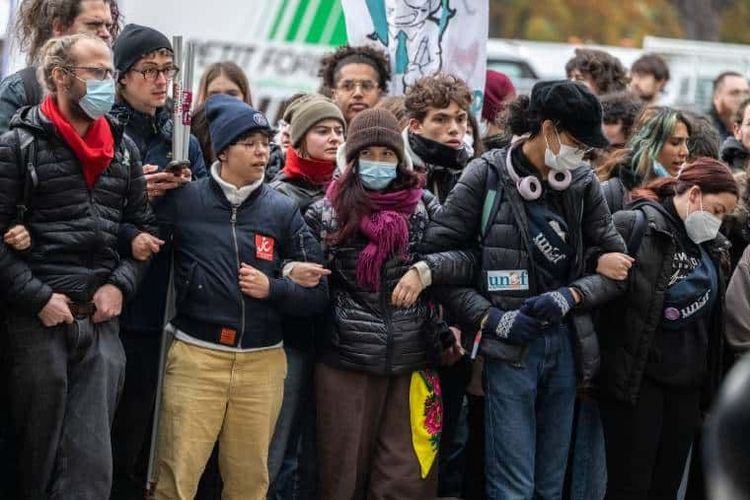
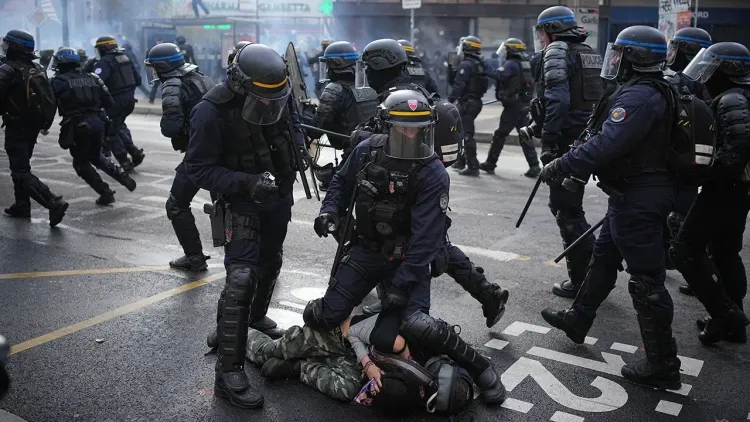
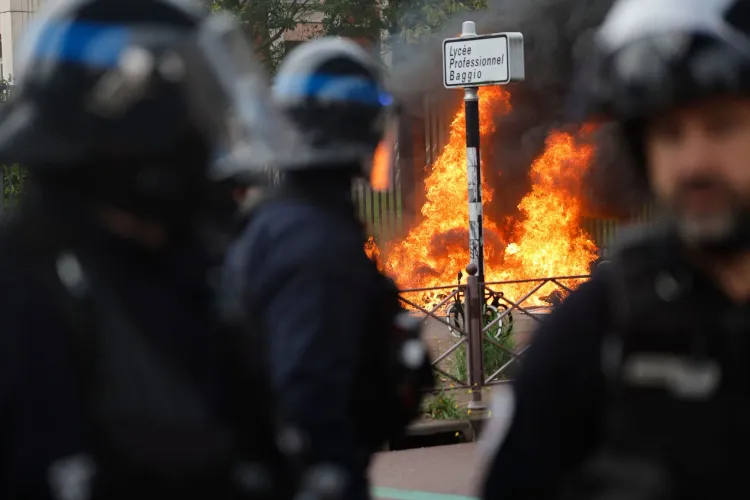
France is grappling with one of its most significant episodes of civil unrest in decades after protests on October 17, 2026, escalated into widespread violence, resulting in nearly 2,400 arrests and approximately 1,000 police and gendarmes injured, according to the French Interior Ministry.
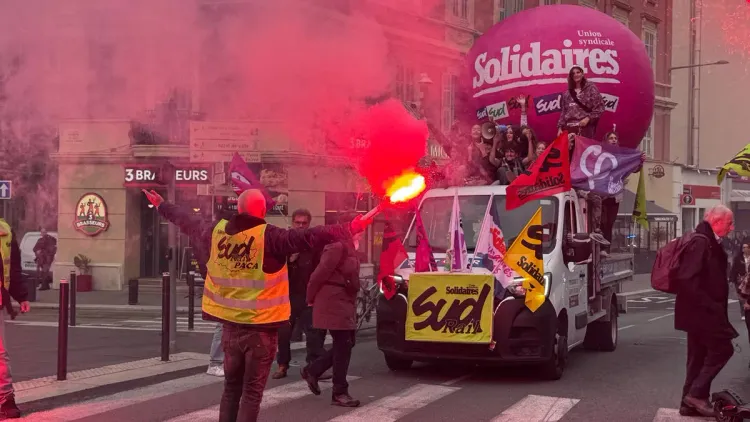
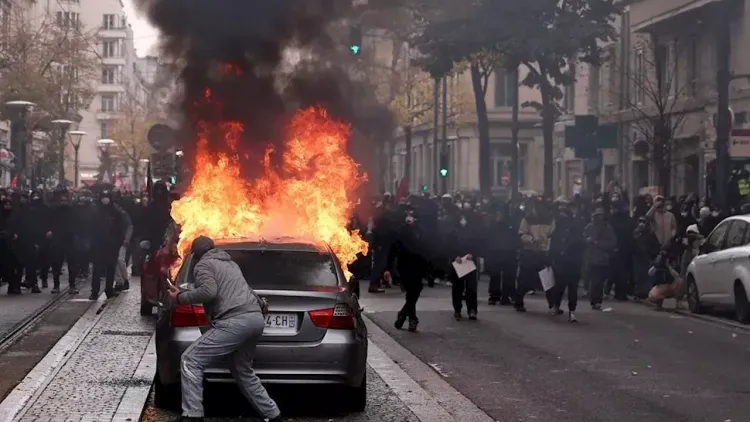
The demonstrations, which drew approximately 550,000 participants nationwide, represent one of the country's largest days of protest in recent decades. What began as peaceful gatherings rapidly deteriorated into violent clashes with authorities, arson attacks on public buildings, and extensive looting across multiple cities.
Historic Landmarks Destroyed
Among the most significant losses was the historic town hall in Limoges, a 143-year-old building constructed in 1883 that was set ablaze by rioters. The building's roof and spire collapsed during the fire, with the local prefect reporting that two-thirds of the exterior had already been destroyed. The incident represents a severe cultural loss for the city and has become a symbol of the protest movement's destructive turn.
Marseille and Lyon also witnessed vandalism and fires targeting public buildings and infrastructure. Luxury retail districts bore the brunt of commercial targeting, with high-end stores and prominent brands subjected to systematic looting.
Alexandre Bompard, president of the Retail and Trade Federation, estimated the cost to damaged establishments would run to several hundreds of millions of euros, with approximately 1,500 shops and retailers affected during the protests.
Origins and Evolution of the Movement
The current wave of unrest began in mid-September 2026 when teachers in Créteil, a suburb of Paris, went on strike over staffing shortages. Students joined in solidarity, and the movement gradually absorbed broader dissatisfaction over the French economy, particularly regarding fuel prices and the cost of living.
The protests intensified as the French government prepared its 2027 budget, which includes a 54 billion euro package of cost-cutting and tax measures that officials say is necessary to reduce the country's deficit. This fiscal policy has become a focal point for public anger over economic pressures.
Government Response
President Emmanuel Macron condemned the violence and vowed that those responsible would face prosecution. While stopping short of declaring a state of emergency or imposing a curfew, Macron announced that prefects and mayors would be allowed to ban certain gatherings where necessary to protect public buildings and local businesses.
French authorities have attributed some of the violence to radical far-left groups, though they have not linked immigrants to the rioting despite claims from some international political figures.
International Political Fallout
The unrest has sparked a political row involving US officials. President Donald Trump appeared to mock the situation, while Vice President JD Vance publicly blamed European immigration policies for the violence. These comments have drawn criticism given that French authorities have repeatedly stated the demonstrations stem primarily from economic and social grievances rather than immigration-related issues.
European Context
The French protests are part of broader unrest across Europe, with cost-of-living demonstrations also occurring in Belgium, Italy, and Portugal during the same weekend. The simultaneous protests reflect widespread frustration over rising costs, housing affordability, and strained public services affecting multiple European nations.
France has experienced multiple waves of unrest in recent years, including the 2023 Nahel Merzouk riots following a police killing, nationwide protests over pension reform in 2023, and cost-of-living demonstrations in October 2022. The recurring pattern of social tensions underscores deep-seated economic and political challenges facing the country.
As authorities work to restore order and assess the full extent of the damage, the protests highlight the volatile intersection of economic policy, public discontent, and social stability in contemporary France.