Students prepare to resume blockades
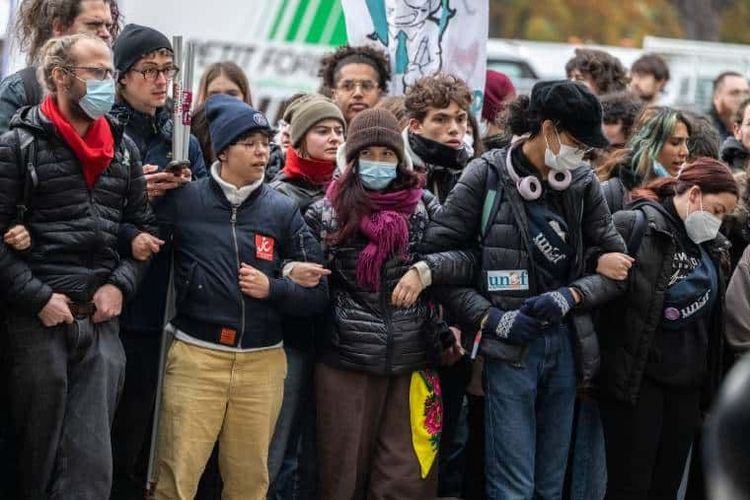
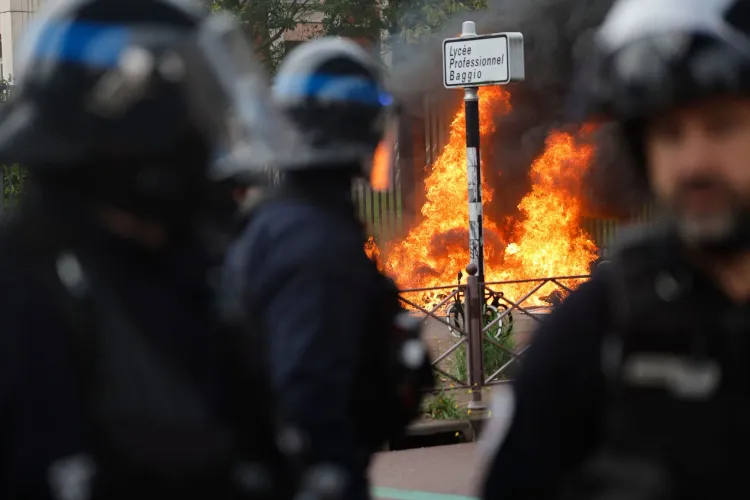
With students returning from a two-week break, Pierre Sourzat, who heads the student group Lyceens!, said some high schools would face blockades on Monday. He expected the protests to intensify Tuesday. Speaking to RMC on Sunday, he said: "We know that some schools will be blocked as early as tomorrow."
Union Etudiante spokesperson Sabrina Kharbach called for students to act together with high school and student unions and an inter-union coalition, BFMTV reported. "We will block again on Thursday and then take part in the November 5 demonstration called by workers who are going on strike," she said.
Kharbach said students wanted a larger turnout to demonstrate the legitimacy of their demands. Manon Moret, secretary-general of the National Union of French Students (UNEF), said young people were still waiting for a concrete government response.
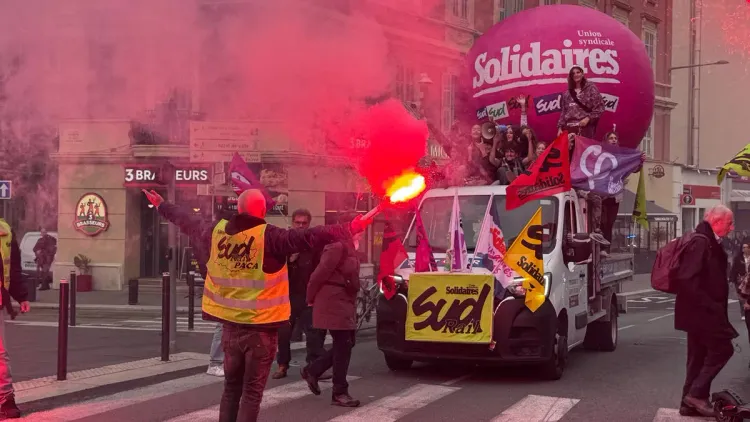
Thursday's nationwide strike was called by five union confederations: CFDT, CGT, FO, Unsa and FSU. Their concerns include wages, pensions, public services and planned budget cuts of about €54 billion (US$60 billion), according to The Rio Times. Transport, energy and schools could be affected, though participation levels were not yet known.
Education measures fail to satisfy student leaders
The government announced an education package on October 26 after meeting with high school and student representatives. France 24 reported that the measures were intended to calm the protest movement.
The proposals call for changes to Parcoursup, the higher-education admissions platform, in 2027 before its complete replacement in 2028. They also provide for 15,000 more higher-education places and a limit of 28 students in each "seconde," or first-year high school, class.
Other measures include 500 additional teaching positions and inflation-linked adjustments to student grants. A €5 billion low-interest loan would fund education infrastructure renovations, with €4 billion allocated to secondary schools and €1 billion to universities.
Competing turnout estimates for Saturday's protests
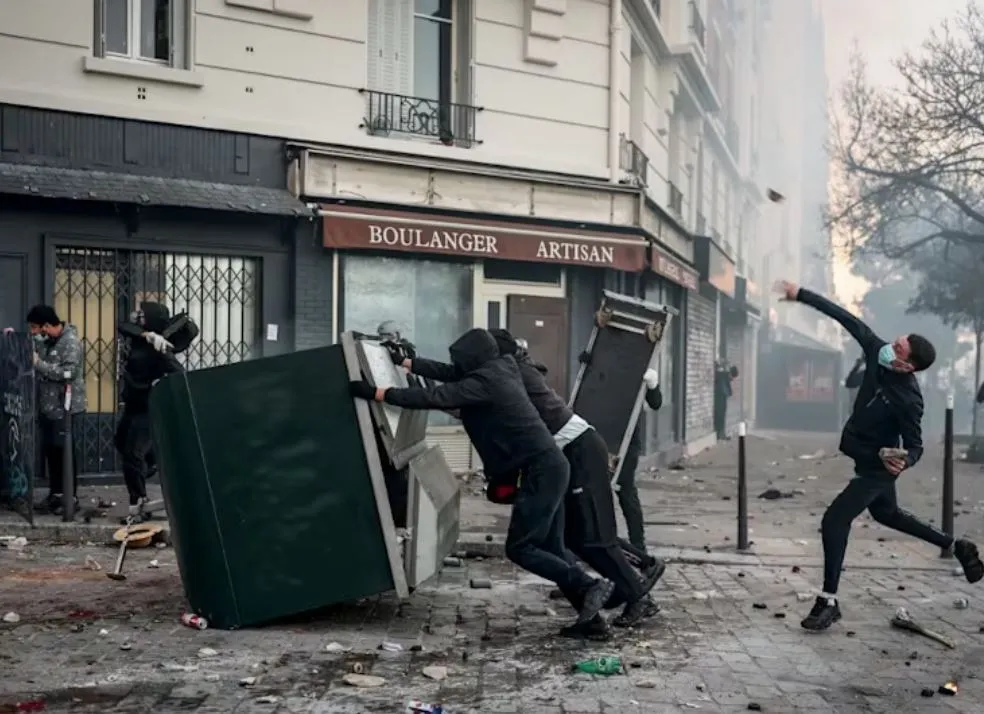
High school and university students were among the hundreds of thousands who demonstrated across France on October 31. About 350 events were planned for the third nationwide day of social action in three weeks.
France 24 reported sharply different turnout estimates: the Interior Ministry put attendance at about 320,000 nationwide, including 70,000 in Paris, while a coalition of youth organizations and unions estimated nearly 500,000 across France and 200,000 in the capital.
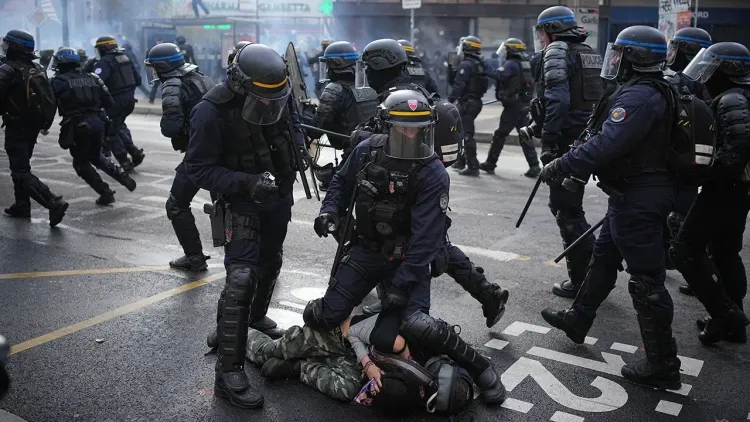
The ministry's nationwide count was below its figures for the two previous Saturdays: 410,000 on October 24 and 550,000 on October 17. Police arrested more than 290 people during the October 31 protests, compared with 1,314 on October 24, according to figures reported by France 24 and The Rio Times.
Security restrictions and legal challenges
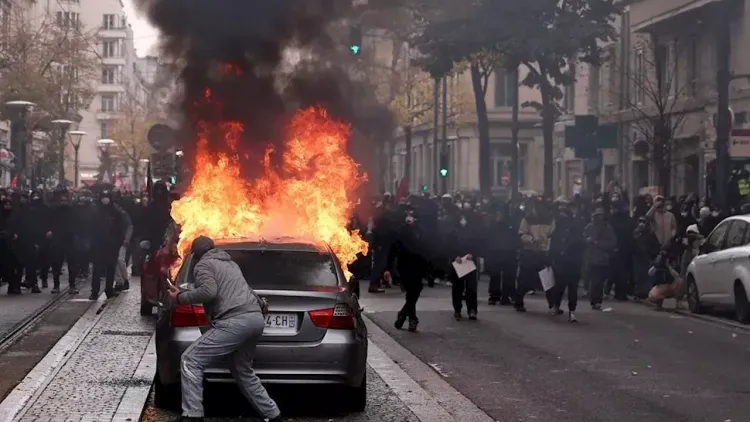
Authorities classified Saturday's demonstrations as high-risk, warning of possible efforts to obstruct the Paris ring road or target government buildings. Interior Minister Laurent Nunez said the nationwide security deployment totaled about 70,000 police officers and gendarmes.
Before the protests, Paris authorities closed more than 40 metro and suburban rail stations near landmarks and government buildings. They also imposed an 11 p.m. to 6 a.m. curfew in the République and Châtelet-Les Halles neighborhoods for Saturday and Sunday, France 24 reported.
A separate court decision cleared the way for a Paris march from Bagnolet to Charenton. The Council of State allowed it to proceed after overturning an administrative court ruling.
The government's proposed response to unrest has also drawn criticism from Amnesty International. On October 26, the organization called for the planned "make rioters pay" bill to be abandoned, warning that it could subject all demonstrators to financial penalties and "violate France's obligations under international human rights law". According to France 24, Senate debate on the legislation was scheduled to begin the following day.
A movement that spread from one high school
The high school protest movement started at Lycée Saint-Exupéry on September 17, when students attempting a blockade joined striking teachers, according to The Nation. Within about a week, it had reached more than 1,000 high schools, over a quarter of the country's total.
The autumn protests are taking place roughly six months before France's presidential election. France 24 described the political climate on October 31 as tense, with support for the far right growing.
Youth-led demonstrations also drew thousands in Germany on October 31. France 24 reported that the campaign group "Gen Z regelt" organized protests in 34 cities, including Berlin, Frankfurt and Munich, inspired by demonstrations elsewhere in Europe. Participants sought better education and lower living costs and opposed compulsory military service.