Restrictions ahead of Saturday's rallies
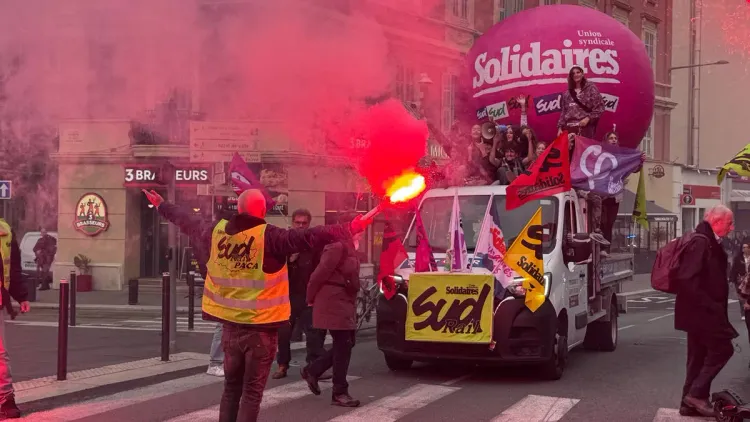
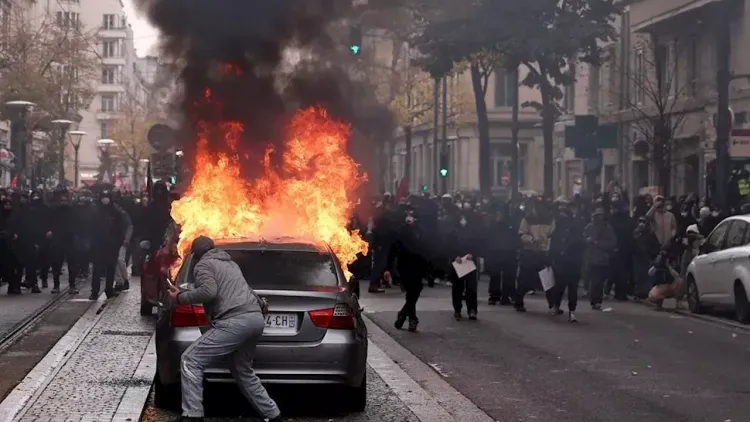
After meeting with intelligence chiefs and senior ministers on Thursday, October 22, Macron blamed vandals and ultra-left groups for the violence. He said permitted demonstrations, including those organized by trade unions, could be rerouted to keep businesses out of harm's way.
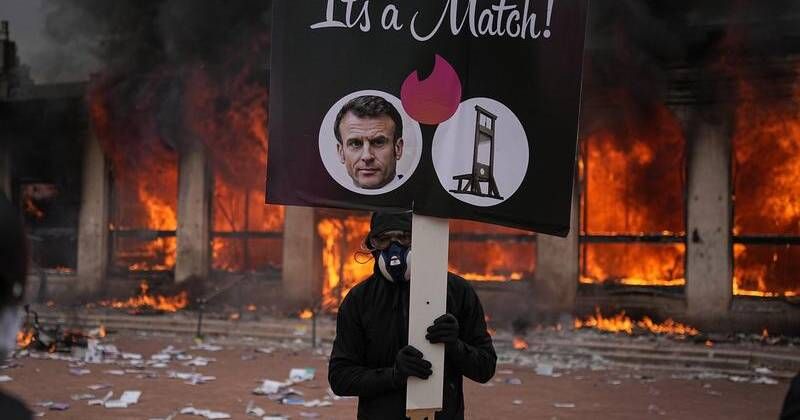
"Last Saturday we had political and seditious acts by ultra-left groups whose aim is to bring down the republic," Macron said.
Local authorities announced a blanket ban on Saturday's protests in Lyon, France's second-largest city. Marseille imposed the same restriction and planned to suspend public transportation that day to prevent renewed rioting, BBC News reported. More than 500 businesses were damaged there during the October 17 violence.
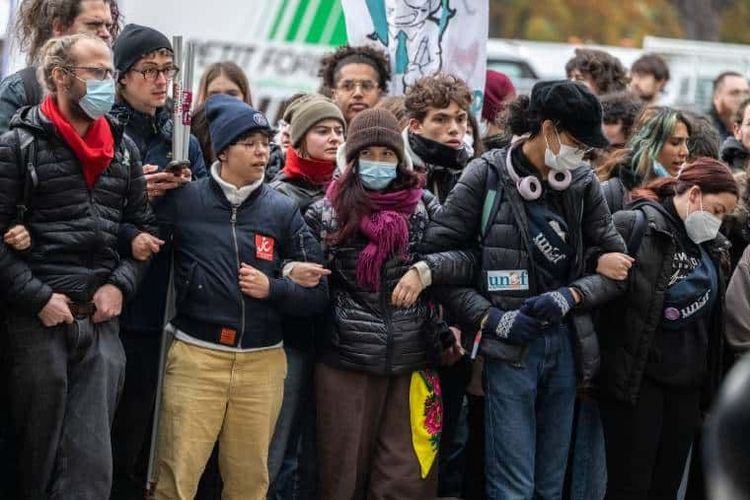
In Paris, the main student union, UNEF, has called for Saturday rallies, and the Yellow Vest movement has submitted plans for a march through the city center. The anti-establishment movement emerged in 2018.
Some central Paris businesses have started covering their windows with boards. Luxury goods company Hermes said it had increased security at its stores in France. The Louvre, Orsay and Picasso museums were also set to close on Saturday because of the expected demonstrations, according to the BBC.
Authorities had already banned a student demonstration scheduled for Thursday in Paris. Transit officials nevertheless closed central metro stations in preparation for possible unauthorized gatherings. In the northern city of Orleans, officials were preparing for potential trouble around the far-right National Rally's annual meeting, with unions and left-wing groups planning demonstrations.
From student grievances to nationwide unrest
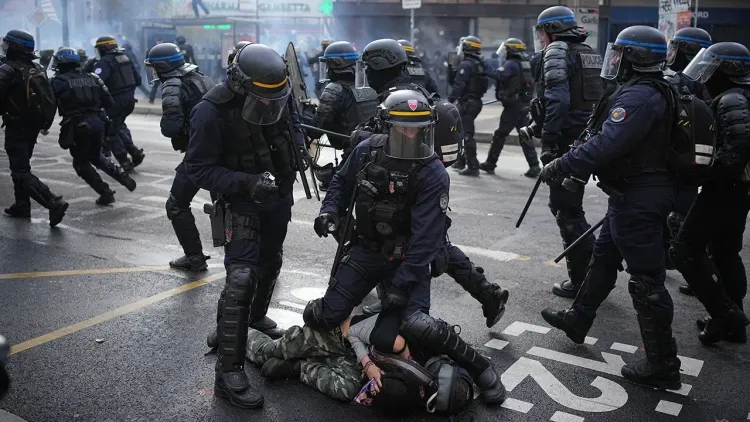
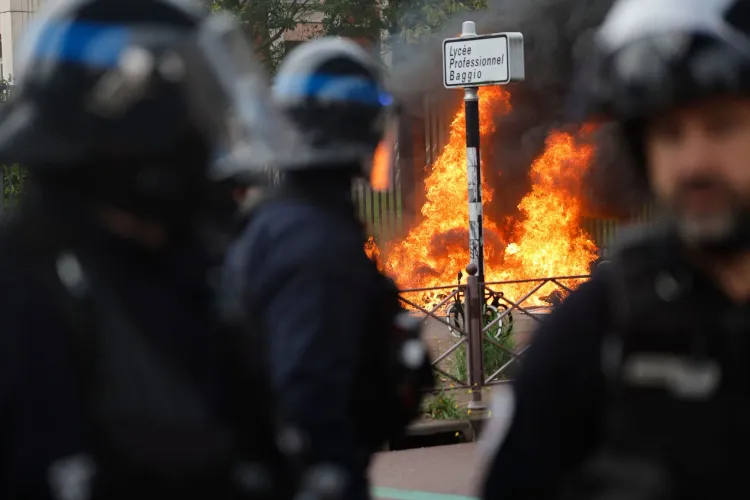
The October 17 violence broke out on the edges of nationwide demonstrations and became some of France's worst urban unrest in years. It also brought scrutiny of the security services' capacity to maintain order.
The movement had grown out of weeks of student protests over poor school conditions, including deteriorating buildings and teacher shortages, according to BBC and Foreign Policy reporting. Its demands broadened to encompass fuel prices, living costs and public services.
Rising energy bills, strained household finances and worries about worsening public services have contributed to frustration among workers and young people. The government has accused far-left political groups of encouraging the unrest, amid bitter disputes over responsibility.
The turmoil comes during the final months of Macron's presidency. The BBC reported that French elections are scheduled for April 18 and May 1, 2027.
Arrests, court cases and police accountability
Foreign Policy, citing France's Interior Ministry, reported that the October 17 unrest injured nearly 1,000 security personnel, led to the arrest of around 2,400 protesters and left at least 3,000 businesses pillaged nationwide.
Justice Minister Gérald Darmanin gave a broader arrest tally on Thursday: 2,700 people across France, with more than 1,000 having appeared in court. He said fast-track trials over the previous weekend's disorder had resulted in 217 people being jailed. Half of those detained had no criminal record, he said, according to BBC reporting citing Le Figaro.
The police response also prompted Interior Minister Laurent Nuñez to offer his resignation on Monday, October 19. Foreign Policy reported that he acknowledged police had not been prepared for unrest on that scale. Macron rejected the offer, but Nuñez submitted a second letter expressing his intent to resign.
"I am resubmitting my resignation because I am responsible for everything that is happening," Nuñez told France Inter.
Investigators have arrested two people over the arson attack on Limoges city hall. The BBC reported that a 66-year-old suspect was arrested on Thursday, following the detention of a man in his 30s on suspicion of attempting to murder police officers who were inside when the fire began.
In areas affected by the violence, a third straight night under local curfews ended without major incidents, providing a pause before the weekend's planned demonstrations.
Unrest beyond France
Foreign Policy reported that the unrest had spread to other European countries, including Belgium and Italy.
Italian Prime Minister Giorgia Meloni called an emergency security meeting on Monday, October 19, to address violent cost-of-living protests in Milan and nearby cities. More than 5,000 people had gathered in Milan over the weekend, and local authorities detained more than 270 people, most of them minors, according to the report.