Dispute over the causes of the unrest
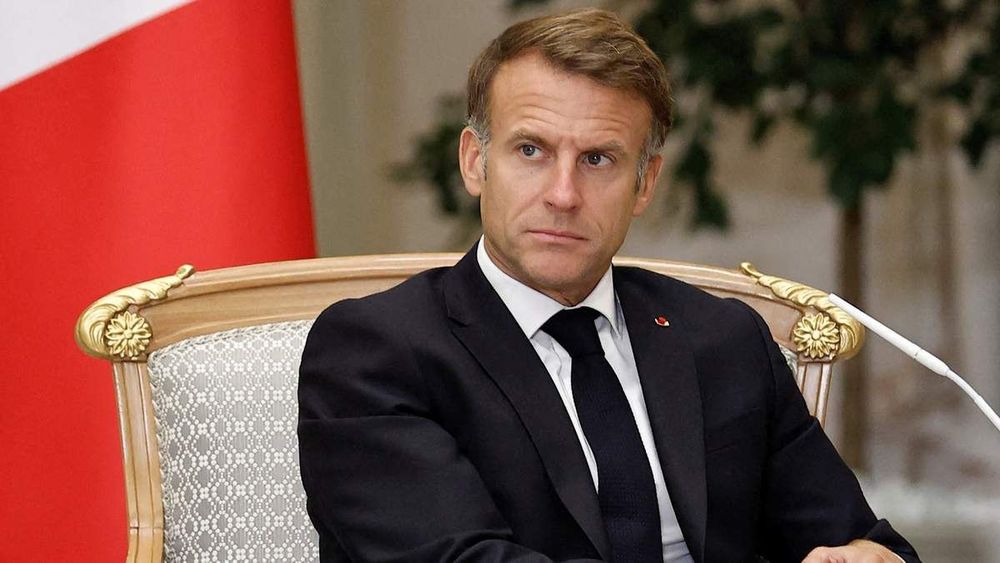
Trump invoked the violence to rally his political supporters, telling Macron to "close your borders and take control before it is too late." Macron accused American political leaders of exploiting events in France for their own election campaigns. "People must stop spreading nonsense," he said.
Macron also warned of "foreign manipulation of information," including "AI-generated images depicting scenes that never actually happened in France." He described the protesters as reflecting France's diverse society. French authorities have not established a link between immigrants and the unrest or identified a specific group as responsible for the violence.
Separately, Macron assigned political blame in a televised address on Sunday, October 18, 2026. He attributed the "unrestrained violence" to "insurrectionist elements from radical far-left groups, joined by numerous criminals," CNBC reported.
Prices and school funding drive protests
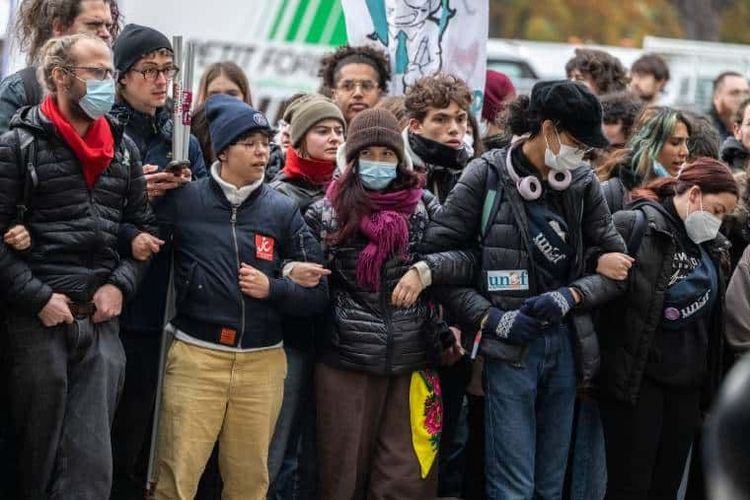
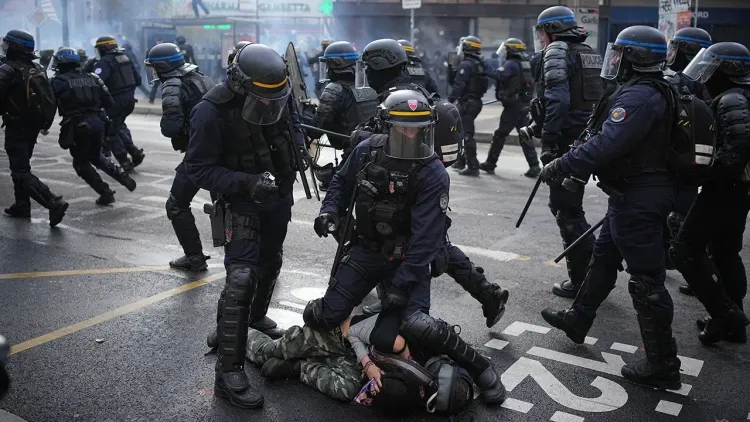
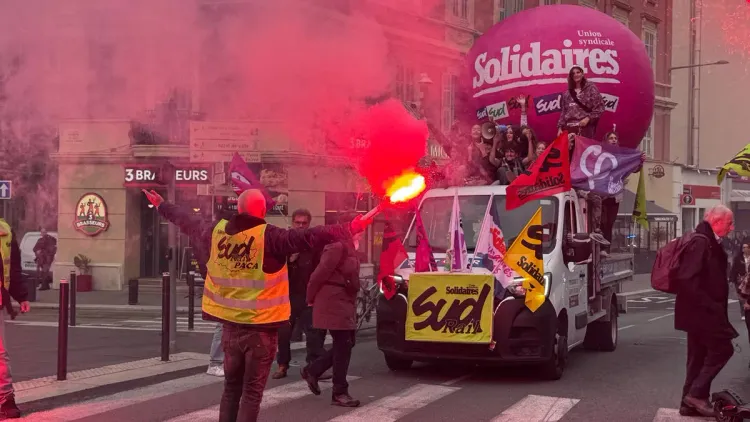
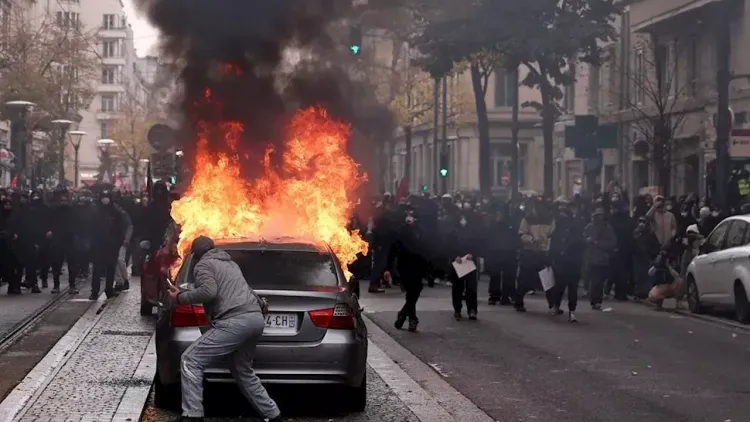
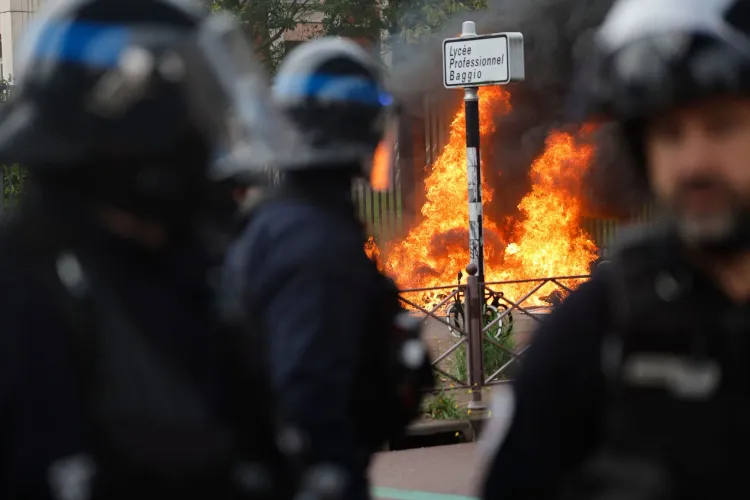
More than half a million people joined the demonstrations, driven by rising living costs, fuel prices and complaints about underfunded schools. Most protests were peaceful, though some saw masked rioters fight police, vandalize property and loot businesses.
The price increases underpinning those grievances have been substantial. According to Euronews, diesel prices in France had risen nearly 40% since March 2026, while gasoline prices were up 25% over the same period. Food prices had climbed 25% since 2021.
Macron has sought additional diesel supplies from Gulf Arab states as part of his response to the energy crisis and rising prices.
Arrests, injuries and damage
Euronews reported more than 2,500 arrests and nearly 1,000 injuries among security personnel during the weekend unrest. Justice Minister Gerald Darmanin gave a separate custody figure on Monday, October 19: more than 2,330 people, 70% of them adults. During the unrest, one protester died of a heart attack and another lost a hand, according to CNBC.
Fires gutted the 19th-century city hall in Limoges and burned Lyon's city tourist office. Rioters also looted supermarkets and attacked luxury boutiques and police vehicles, CNBC reported.
French chamber of commerce President Alain Di Crescenzo estimated that the weekend violence had affected more than 2,000 shops nationwide. He put the damage at "hundreds of millions of euros."
Security review and further demonstrations
Interior Minister Laurent Nuñez offered his resignation on Monday, October 19, 2026, after the weekend's arrests and injuries, but Macron declined it. Nuñez acknowledged that police "had lost control," despite the deployment of about 60,000 law enforcement personnel across France on Saturday. Macron ordered a security review.
Protest activity continued on Monday, when students from the Ecole du Louvre led a blockade of the Louvre museum's entrance in Paris. The Yellow Vests movement, which organized the weekend rallies, called for another round of demonstrations the following Saturday.
Macron has also implemented curfews and is planning a "massive" security operation for upcoming protests in an effort to prevent more violence.