More marches as France's Macron vows no repeat of riots
French President Emmanuel Macron has pledged to prevent a repeat of the violence that engulfed major cities last weekend, as the Yellow Vest movement prepares for a major march through central Paris on Saturday that will test the government's response to one of France's worst crises in recent years.
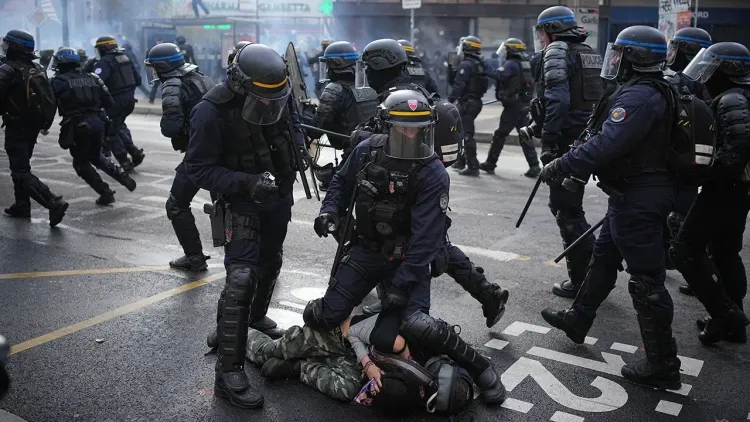
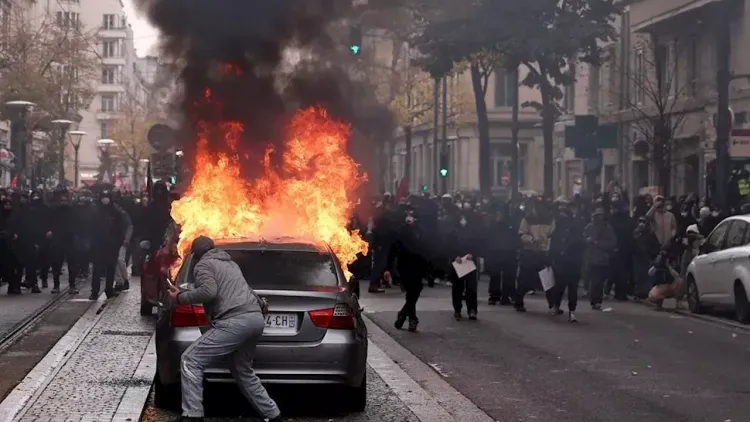
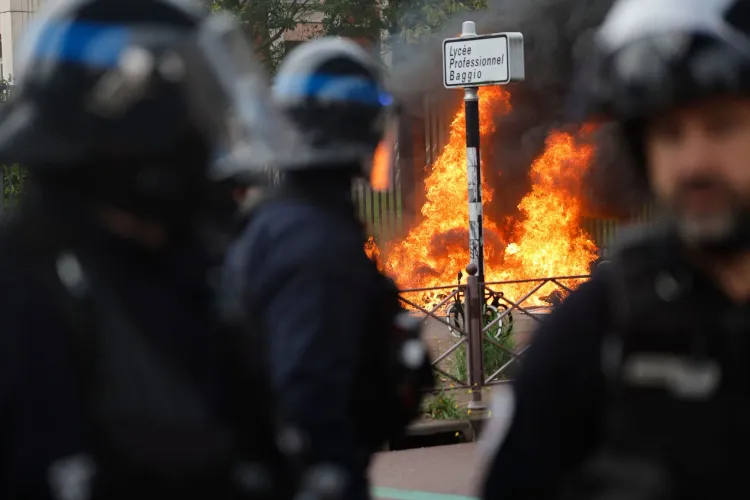
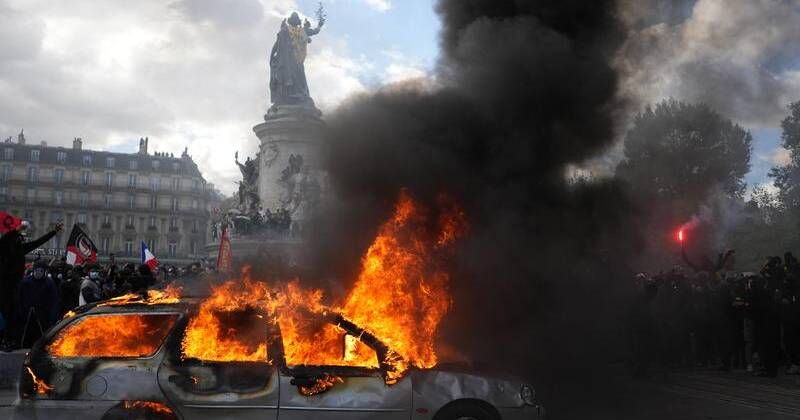
The weekend protests on October 17 descended into widespread chaos across Paris, Marseille, Lyon and Limoges, leaving one police officer and one protester dead and approximately 2,000 people under arrest. Nearly 1,000 police officers and gendarmes were injured in clashes that overwhelmed security forces and caused property damage estimated in the hundreds of millions of euros.
Speaking during a visit to Qatar on Wednesday, where he has been seeking energy deals as France grapples with rising fuel costs, Macron said those seeking to cause disorder on Saturday would be stopped.
There must be no wavering at the top of the state,
he told reporters.
Prime Minister Sébastien Lecornu, who took office in September 2025 after his predecessor François Bayrou was removed following a failed motion of confidence, met with union leaders on Wednesday in an effort to defuse tensions. Government ministers have promised a vastly reinforced security operation, with troops expected to be deployed alongside additional police.
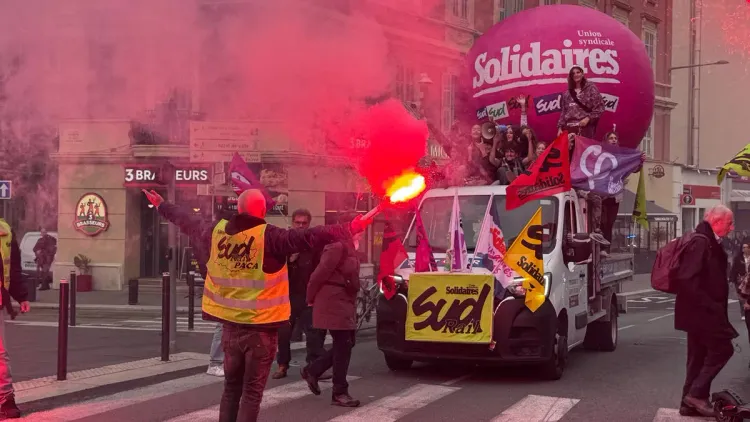
The Yellow Vest movement, which first emerged in November 2018 in response to fuel tax increases and rising living costs, is attempting to revive its grassroots campaign against declining living standards and deteriorating public services. At its peak in 2018, the movement drew 287,710 protesters before officially ending in June 2020. Representatives of the movement, which operates independently of traditional unions, have filed plans for a march across the heart of Paris, including areas that were ransacked just days ago.
Student protests compound crisis
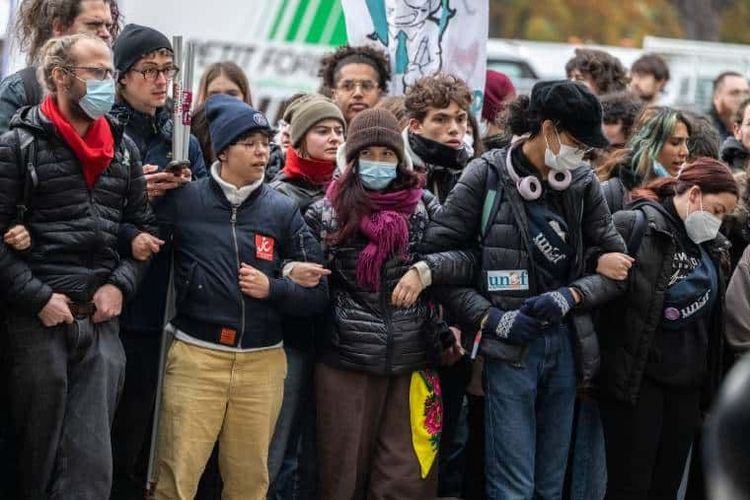
The current unrest follows weeks of student demonstrations that began in September over deteriorating school conditions, teacher shortages and poor job prospects. Those protests led to more than 6,000 arrests and damage to over 100 schools before culminating in last weekend's violence. Student groups have called for fresh protests on Saturday to demand greater investment in education, raising concerns about overlapping demonstrations.
The violence left stark symbols of destruction across France. In Limoges, the historic city hall, which had survived both World Wars, was badly damaged by fire with its clock spire collapsing. Approximately 550,000 people participated in demonstrations across the country on October 17, including roughly 110,000 in Paris.
Macron is scheduled to meet intelligence officials, Lecornu and other ministers on Thursday to obtain a detailed account of the October 17 unrest and coordinate the response to Saturday's planned demonstrations. He accused some foreign leaders of spreading misinformation about the violence, particularly targeting US President Donald Trump, who has blamed the turbulence on mass migration and radical Islam as a warning for Americans.
Political fallout intensifies
The crisis has triggered significant political repercussions ahead of the 2027 presidential elections. Recent polling shows far-right leader Marine Le Pen leading the field with 32-36 percent support in the first round, while hard-left candidate Jean-Luc Mélenchon polls at 15-16 percent. Le Pen, who has run for president three times previously and reached the runoff against Macron in both 2017 and 2022, told Franceinfo radio that the government has lost control of everything.
France Unbowed (La France Insoumise), the hard-left party that holds 71 seats in the National Assembly, has criticized government plans to deploy troops onto Paris streets.
Demonstrators are not enemies within. The French government must not go to war against its own people,
the party's parliamentary group said in a statement. Ministers have accused the party of fuelling the unrest, allegations it has denied.
France's main unions have separately called for a nationwide mobilization on November 5, extending the pressure on Macron's government. A second consecutive night of local curfews passed without major incidents in areas hit by the unrest on Tuesday, offering authorities some respite as they prepared for fresh demonstrations.
The turbulence has raised concerns that anger over living standards could spread across Europe. Italy approved a raft of security measures on Tuesday, including a new offence of violent participation in a demonstration and tougher penalties for rioters. Protests have also erupted in Albania and other European countries in recent days.