Saturday closures and worried customers
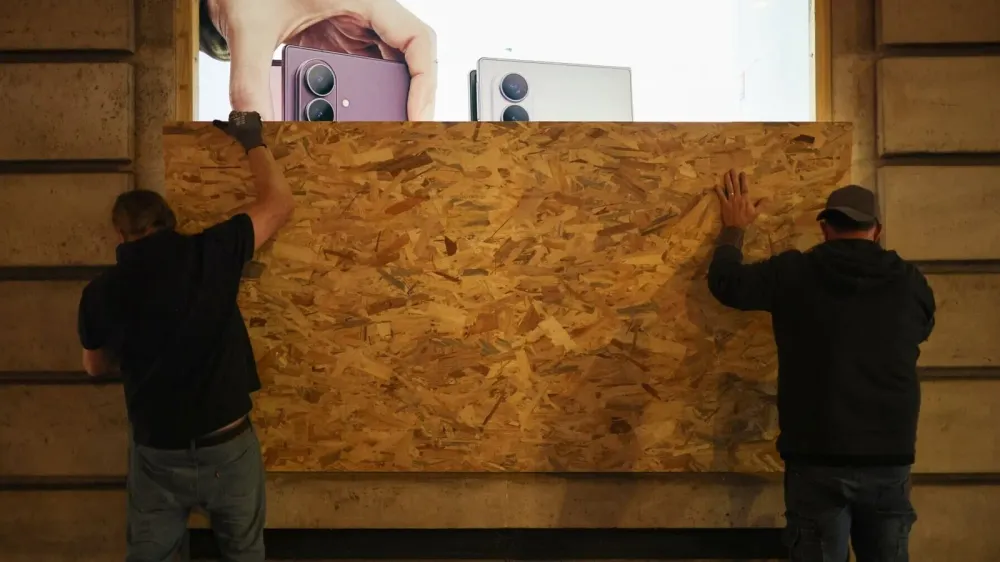
Cohen now closes every Saturday rather than risk opening during demonstrations. He has added Sunday afternoon hours to make up for the closure, but customers have not returned in sufficient numbers, he told franceinfo (Radio France) for a report published November 2.
"I have made the decision to close every Saturday because I can't stand it anymore, the protests, I don't want any more," he said.
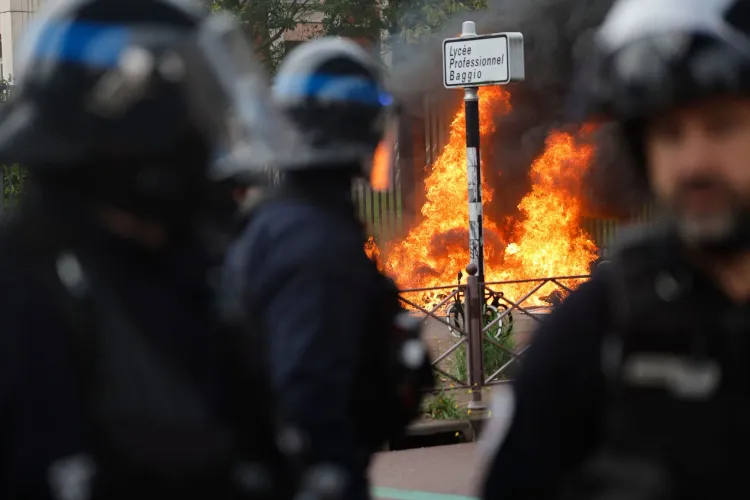
Every weekend since October 17, Cohen has moved some merchandise upstairs to his office for safekeeping, leaving the store nearly empty before restocking it each morning. He described the routine as painful and said he did not know how long it would continue.
The damage to the neighborhood's reputation troubles him even though his own shop has escaped attack. He receives three to five calls a day from people checking whether it still exists. Television images of destruction have frightened customers, he said, leading them to avoid République.
Cohen and other local merchants have asked City Hall for a major publicity campaign to reassure shoppers that they can return, including on weekends. Their concerns echo those of retailers in other French downtown districts, where foot traffic has declined amid curfews, Saturday metro station closures for safety and widely circulated footage of clashes. Some République shopkeepers now stay closed for the entire weekend.
Curfews and transport restrictions
Security measures have affected both the neighborhood and ways of getting around Paris. Euronews reported that an overnight curfew running from 11 p.m. to 6 a.m. was imposed around Place de la République and Les Halles. Separately, on October 28, a Paris court suspended an earlier curfew covering unaccompanied minors, finding that it seriously and illegally infringed on freedom of movement.
Police also asked the Vélib' bike-sharing service to remove bicycles and close 110 stations during the last two Saturdays of protests, according to The Local France. The measures were intended to keep bikes from being damaged or used to build barricades.
From school protests to a broader movement
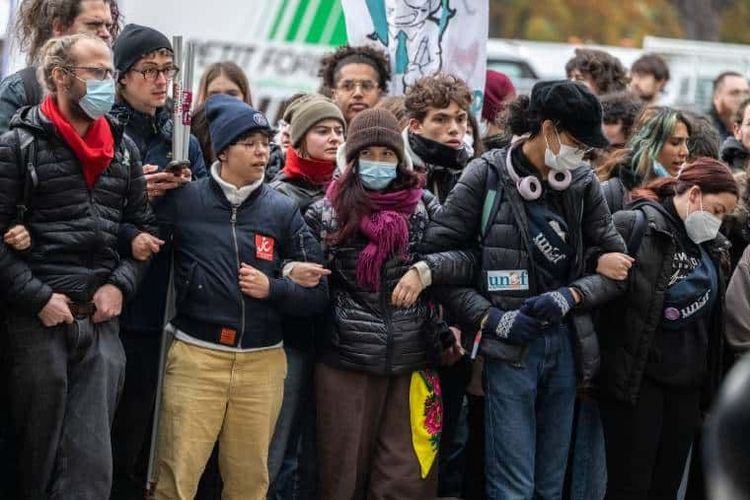
The movement started among high school students in the Paris suburbs in mid-September 2026. Their grievances included crowded classrooms, buildings in disrepair, too few teachers and a university admissions system they regarded as unfair to disadvantaged students. Trade unions and Yellow Vest activists subsequently joined, broadening the protests to include the cost of living and declining public services, according to CBS News and Euronews.
On October 8, the Ministry of National Education said it planned to send more than 3,000 substitute teachers to the high schools with the greatest need. It also approved several hundred additional hires.
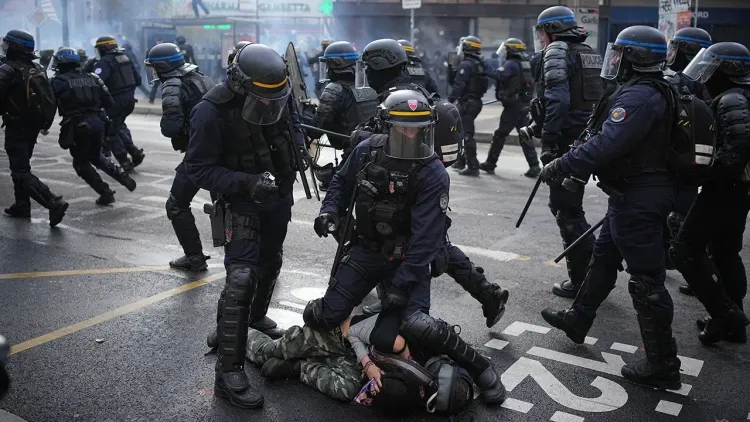
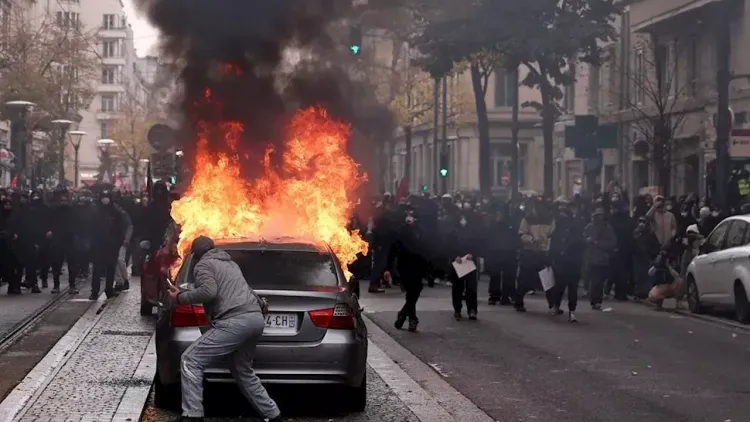
The unrest on October 17 was described as among France's worst street violence in recent years. Rioters burned buildings, including a historic town hall in Limoges, and looted thousands of businesses. Justice Minister Gérald Darmanin said more than 2,500 people had been taken into police custody by the evening of October 19.
Official turnout figures have fallen over three successive Saturdays. The Interior Ministry counted 550,000 participants nationwide on October 17, followed by 410,000 on October 24 and 320,000 on October 31. The latest total included 70,000 in Paris. Organizers put attendance at 800,000 on each of the first two dates.
A general strike and further demonstrations planned
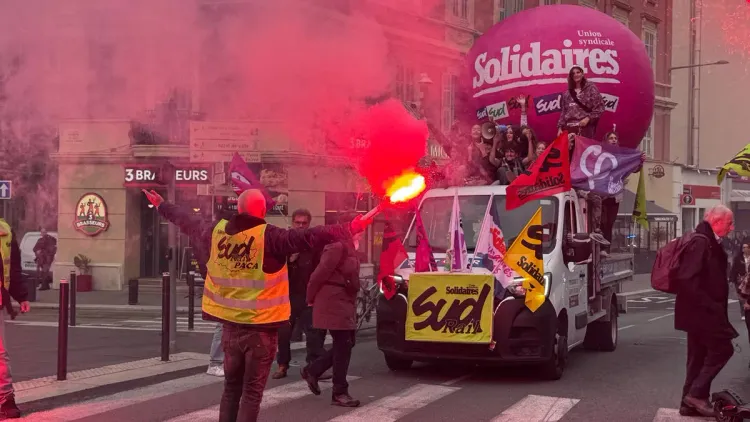
The next nationwide action, scheduled for Thursday, November 5, is a cross-sector general strike called by the intersyndicale, the alliance of major unions CFDT, CGT, FO, Unsa and FSU. Its demands include higher wages, greater purchasing power, safeguards for public services and a fairer distribution of wealth, The Local France reported.
Strike notices have been filed by unions representing rail employees, teachers, healthcare staff, postal and telecommunications workers, and civil servants. Disruptions are expected across public transport, schools, hospitals and other medical services, as well as banking and insurance.
Further action is planned immediately afterward. The Gilets Jaunes coordination group has called for an "Act IV" of demonstrations, with strikes, protests and blockades scheduled for November 6 and 7, according to The Local France.