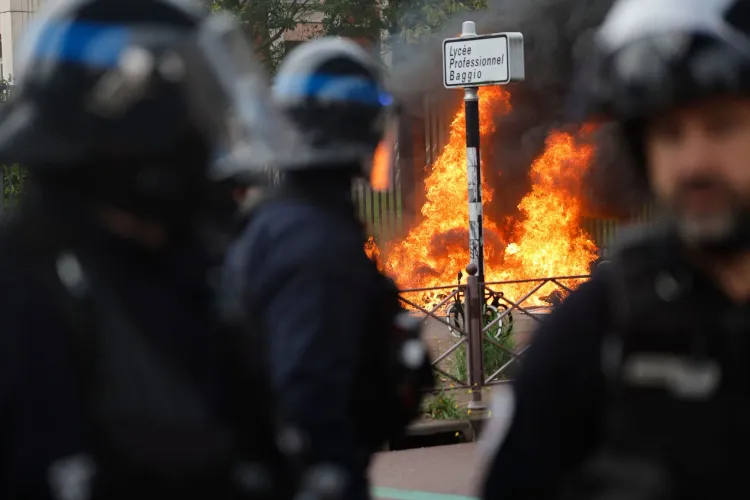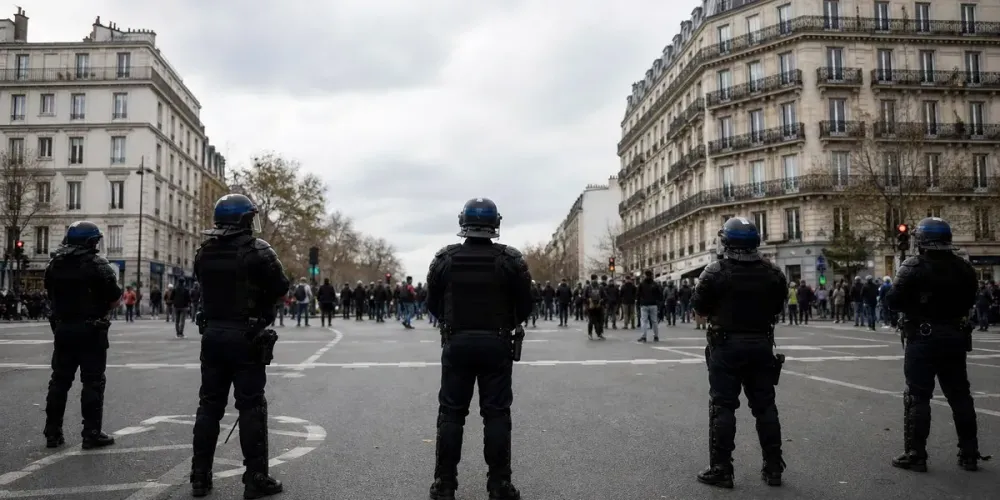
Officers injured as march ended
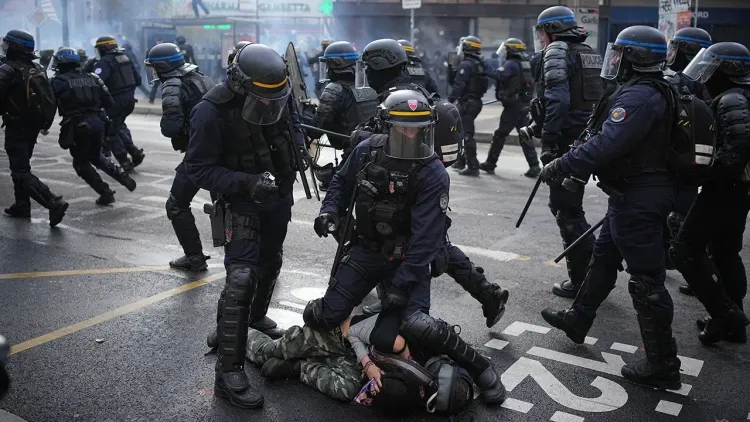
Prosecutors put the number of gendarmes targeted at about 15, alongside police officers. In images and video recorded by AFP, an incendiary device explodes at one gendarme's feet, igniting his protective equipment.
The officer hit by the Molotov cocktail was the captain leading the squadron, Le Figaro reported on November 1, 2026. He sustained second-degree burns but said he wanted to return to work despite the injury.
The initial injuries reported by prosecutors included second-degree burns and tinnitus. Investigators had not yet established how many people were injured or the full extent of their injuries.
The case concerns attempted murder of people vested with public authority and has been assigned to the Paris territorial security directorate, Sûreté territoriale de Paris, according to a prosecutor's statement reported by franceinfo on November 1.
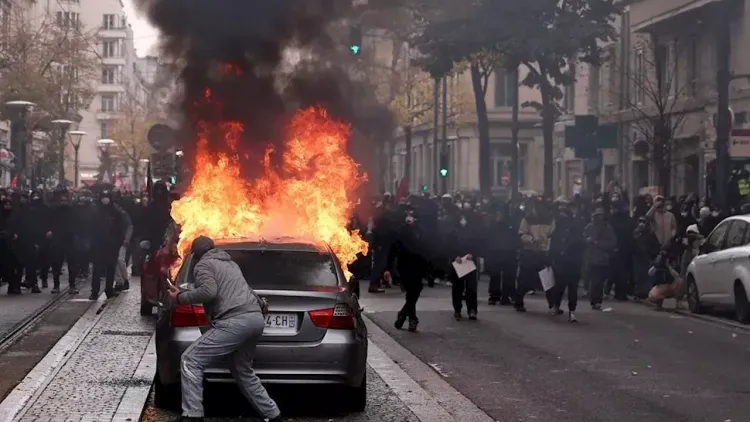
Interior Minister Laurent Nuñez also characterized the attack as attempted murder. At an 8 p.m. briefing on October 31, 2026, he described the violence by hundreds of rioters as unprecedented, Le Figaro reported. He said groups of rioters and looters driven by the radical far-left movement had attacked security forces in every march.
Nationwide detentions revised to 779
The Interior Ministry's updated tally counted 779 detentions across France during the demonstrations and Halloween night combined, replacing the estimate of 565 issued Saturday evening. Authorities said there were no further serious incidents during the remainder of the night.
Of the 105 people detained in Paris, 88 were held in connection with the protests and 17 during Halloween night. The number still in custody stood at 89, including at least 22 minors.
The nationwide detention count was below the 1,314 recorded the previous Saturday. It was also lower than the 2,628 detentions on October 17, when widespread unrest and looting occurred.
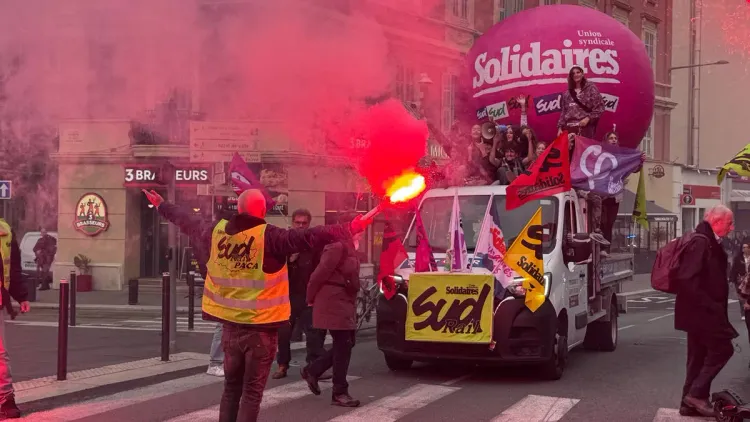
Estimates of participation differed: the Interior Ministry counted 320,000 demonstrators nationwide, while unions put attendance at nearly 500,000.
From school staffing grievances to broader protests
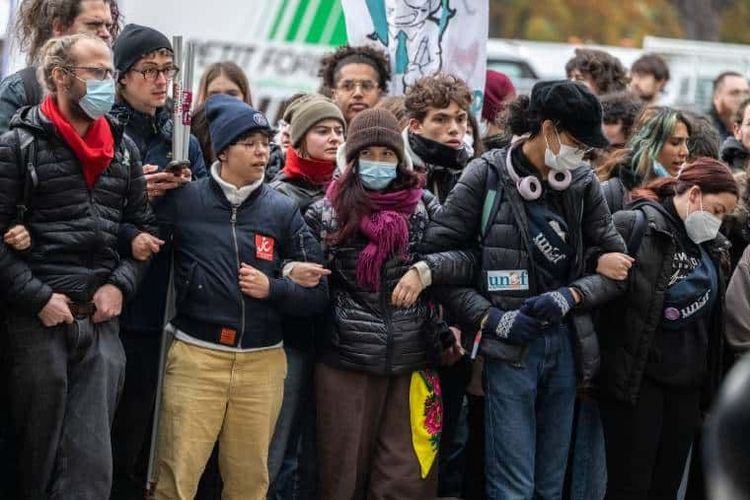
The demonstrations focused on living costs and government policy. The movement began in September 2026, when students at a high school in Créteil, southeast of Paris, protested staff shortages, according to The Independent's October 18 report. Cost-of-living demands later became part of the movement.
The General Confederation of Labour, or CGT, one of France's largest unions, supported the protests and sought lower prices along with increases in wages and pensions, The Independent reported.
The newspaper also described how the demonstrations became a political issue ahead of the presidential election scheduled for April and May 2027. Candidates including Jean-Luc Mélenchon and Marine Le Pen seized on the protests as they campaigned to succeed President Emmanuel Macron, who is constitutionally barred from seeking a third consecutive term.
In its account, The Independent placed the movement alongside earlier waves of French protest: student demonstrations in 1968, suburban unrest in 2005, the yellow vest protests of 2018-2019 and the 2023 demonstrations against an increase in the retirement age.