Landmarks and gathering places covered by ban
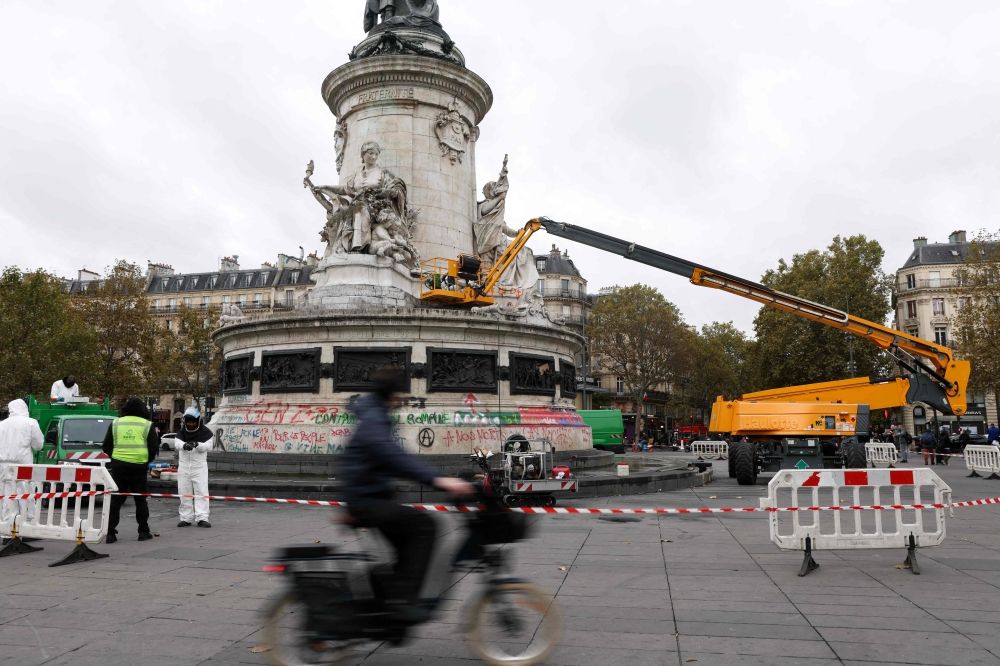
The restrictions, announced Wednesday, apply from 8 a.m. to 8 p.m. (0600 to 1800 GMT). They cover the Elysee presidential palace, both houses of parliament, the Louvre and the Champs-Elysees, along with Bastille and Republique squares. Demonstrations are also barred in the Chatelet-Les Halles shopping district, where looters struck over the weekend.
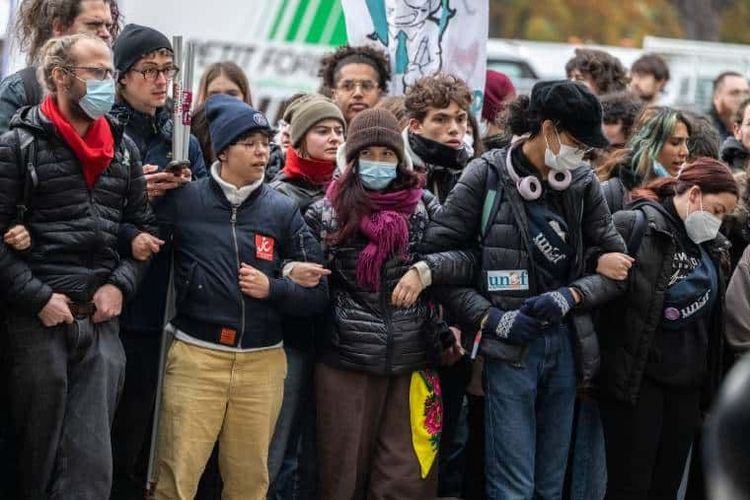
Authorities have also prohibited planned high school and university student demonstrations in Paris and Lyon. With more cost-of-living protests scheduled for Saturday, the government has warned that it will not tolerate further violence.
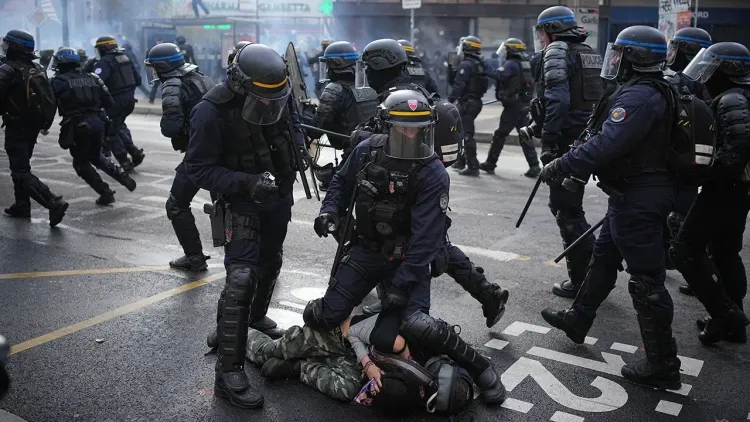
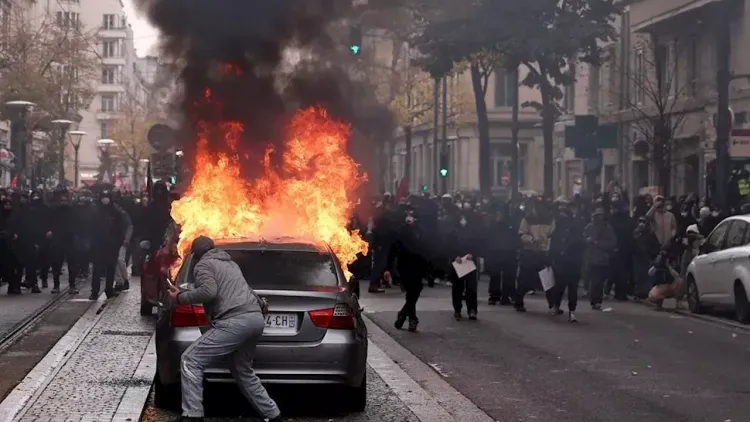
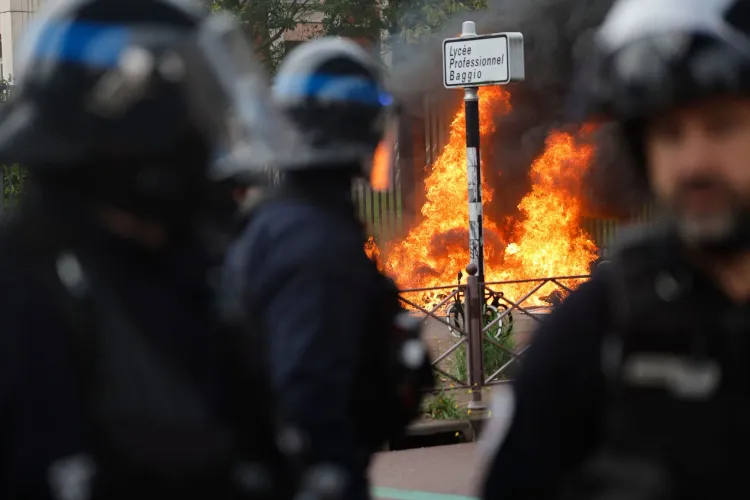
French authorities acknowledged losing control during last weekend's clashes, when masked youths fought police, raided stores and damaged public buildings. Curfews have since helped restore calm in several cities, though they have also curtailed access to some late-night public transportation.
A Paris commuter who gave his name only as Louis described finding his line closed as "quite disconcerting" but said he supported the measure if it could prevent more vandalism. Smaller outbreaks of similar unrest have affected Italy and Belgium; Italy has ordered 500 troops to Milan to curb street violence.
From school grievances to nationwide marches
The protests began in September at high schools in the working-class northern suburbs of Paris, where students objected to insufficient teaching staff and poor facilities, according to Al Jazeera's October 18 analysis. Blockades and marches subsequently reached Bordeaux, Rennes, Nantes, Lyon, Lille and Marseille.
Education Minister Édouard Geffray pledged 3,000 additional supply teachers in an October 8 television interview, BBC News reported. That apparent concession failed to end the protests, which closed many schools over four weeks.
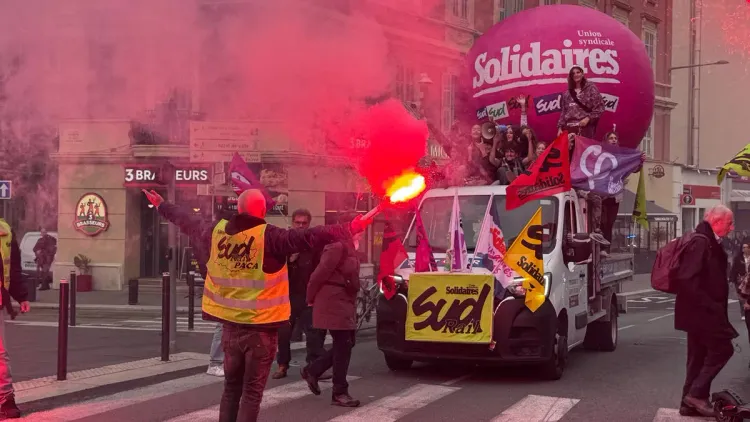
The movement widened into nationwide cost-of-living demonstrations on Saturday, October 17. Al Jazeera reported an Interior Ministry turnout estimate of about 550,000. Prime Minister Sébastien Lecornu said 1,200 people were arrested and 150 police officers were injured.
Violence overshadowed the marches. Fire left the historic town hall in Limoges largely destroyed, while a small explosive blew off a young man's hand in Saint-Étienne, according to reports by Al Jazeera and BBC News.
Human Rights Watch separately reported that a police stun grenade cost a 15-year-old a hand and that a tear gas canister fired from close range shattered a 14-year-old's jaw. The organization condemned excessive force against children, according to Al Jazeera.
By Wednesday, Justice Minister Gerald Darmanin put the number taken into custody during and after the protests at 2,500. He said 174 had been jailed and another 917 formally prosecuted.
Macron challenges foreign accounts of the riots
Speaking in Doha on Wednesday, Macron suggested that US President Donald Trump, and possibly Israeli Prime Minister Benjamin Netanyahu, were exploiting the unrest while campaigning at home. "There are people who campaign at France's expense — leaders who are in campaign mode, whether here in the region or on the other side of the Atlantic," he told reporters.
Macron also said AI-generated videos depicting events that never happened in France had influenced foreign leaders' reactions, according to The Straits Times. He described "foreign manipulation of information" that had prompted "unacceptable and even stupid comments by many, including foreign leaders".
Trump has tied the unrest to "migrants, jihadists, and communists" while promoting his anti-immigration message for Republicans in the US midterm elections. Several analysts have rejected the claim that migrants were driving the protests. Netanyahu, who is also campaigning in an election, said on October 20 that France faced an "invasion of extremist Islam", a remark Macron appeared to include in his criticism.
Trump also praised French far-right leader Marine Le Pen on October 20 as France's "conservative voice", without endorsing her for the 2027 presidential election, The Straits Times reported.
Le Pen, who leads polling for that election, responded on X late Wednesday by calling Macron's remarks "conspiratorial". She wrote: "The images we saw last Saturday are not generated by artificial intelligence: they show the sad reality of what France has become after 10 years of Macronist rule."
Hungarian Prime Minister Péter Magyar likewise invoked migration in a post on X, saying the disorder made it "clear to everyone why Hungary advocates the strictest possible approach to migration", according to POLITICO. French Foreign Minister Jean-Noël Barrot offered to "assist the countries concerned in understanding the situation, to prevent them from spreading or relaying false information".
Budget tensions and further demonstrations
The crisis has hurt France's international image and unsettled markets six months before its presidential election. Investors were already concerned about the debt and deficit of the European Union's second-largest economy.
The proposed 2027 budget contains €54 billion ($60.8 billion) in spending cuts and tax measures, according to Al Jazeera. Among the proposals is another freeze of the pay scale that determines civil servants' basic salaries. Unions say it would be the fourth annual freeze in a row.
France's benchmark 10-year bond yield rose above 5% on Wednesday as investors sought higher returns amid fiscal concerns. Moody's is expected to downgrade the country's public debt on Friday.
After meeting Lecornu on Wednesday, Sophie Binet, who heads the hardline CGT union, called for a "new phase" of protest, including strikes early next month. The Yellow Vest movement, which organized last weekend's demonstrations, announced plans for a Saturday march starting at Bastille square and further nationwide demonstrations on November 5.