Security measures follow weekend violence
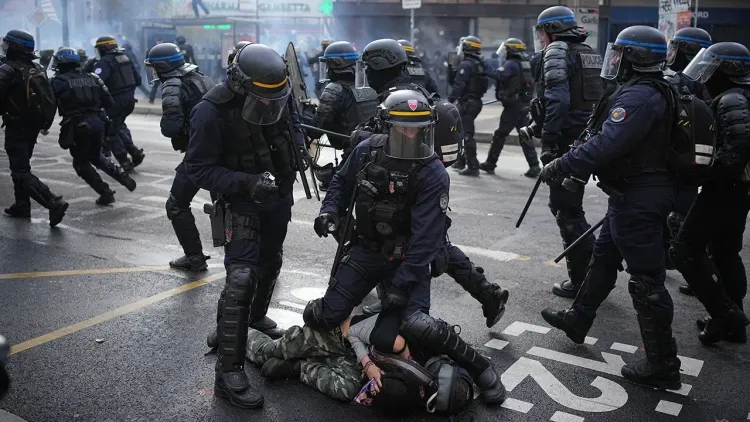
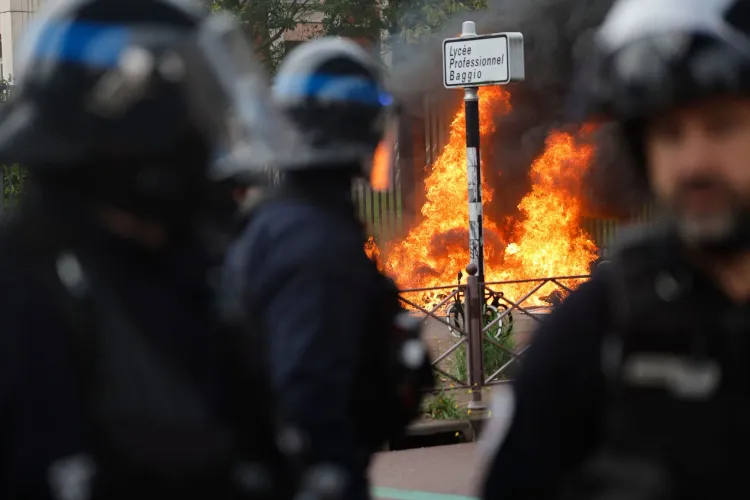
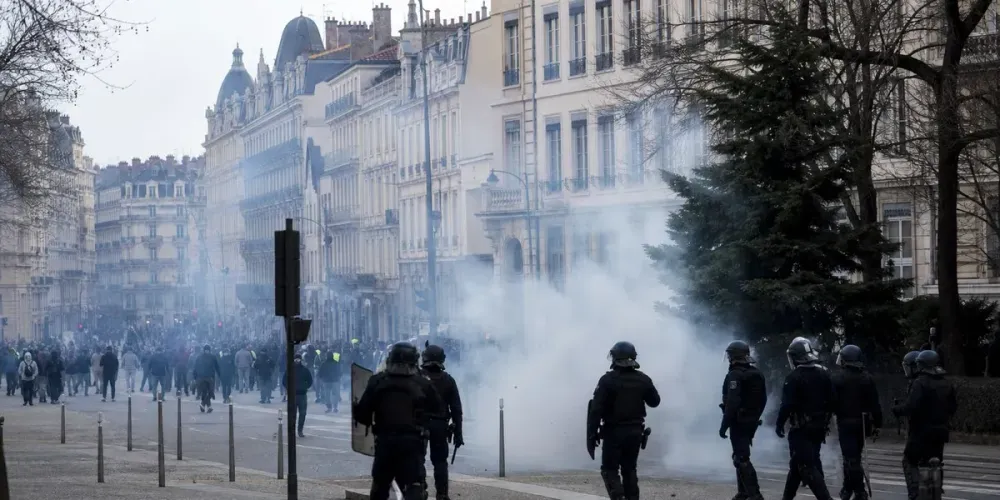
Interior Minister Laurent Nunez said authorities would not tolerate disorder and cited social media posts calling for violence and looting. Officers readied riot-control equipment in places affected by clashes and looting the previous weekend.
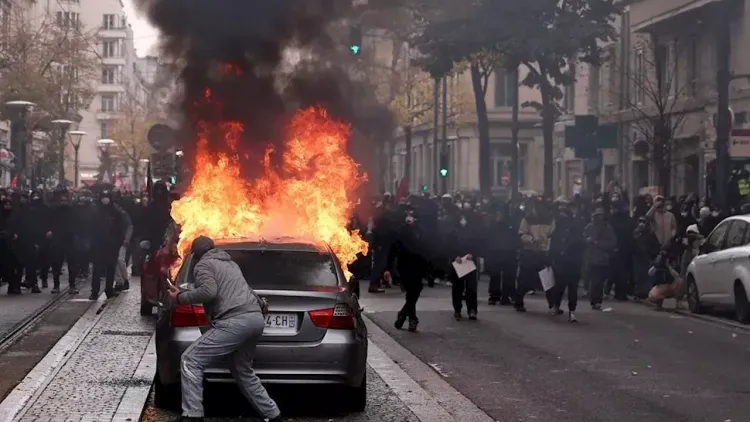
That weekend's demonstrations were accompanied by clashes with police on their fringes, damage to public buildings and the looting of hundreds of stores. Authorities reported about 2,700 detentions. Courts have since sent 217 people to prison, half of them first-time offenders.
Nunez acknowledged that police had lost control in some cities during that unrest and offered his resignation, according to an Associated Press report published October 24, 2026. President Emmanuel Macron refused to accept it.
Student demands behind the wider movement
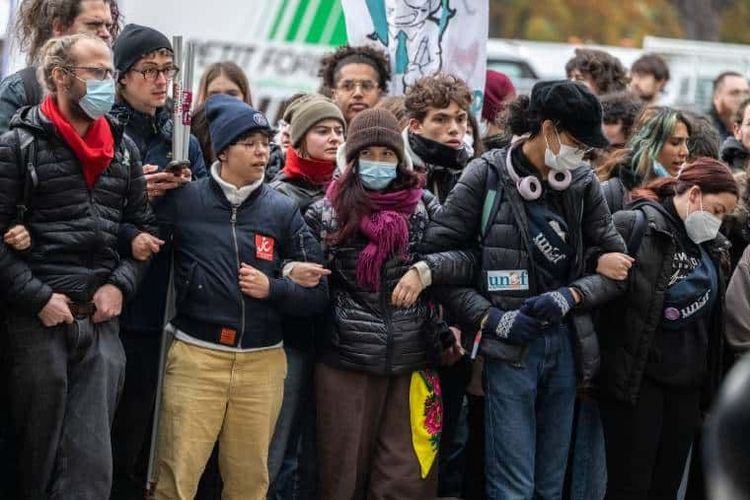
The nationwide movement grew out of a student-led protest over staffing shortages at one high school southeast of Paris in September 2026. What began as a local education dispute expanded into protests over living standards, the Associated Press reported.
Student groups have set out a 10-point plan that includes expanding higher education capacity by 250,000 places and ending selection through Parcoursup, the admissions system. They also seek additional teachers and repairs to school and university buildings.
The plan addresses students' living expenses as well: the groups want monthly grants increased by 200 euros and rents frozen in public student housing, according to the Associated Press.
Paris closures and restrictions on marches
Some Paris businesses stayed closed for the day behind boarded-up storefronts. Near Bastille Square, a clothing store emptied its shelves, while a restaurant put boards across its facade.
Cultural venues also shut their doors on October 24. Along with the Louvre and Musée d'Orsay, closures included the Picasso Museum and the Grand Palais, where a major Cézanne exhibition was being held. The Associated Press reported that concern about unrest also prompted the Art Basel contemporary art fair to cancel its weekend program.
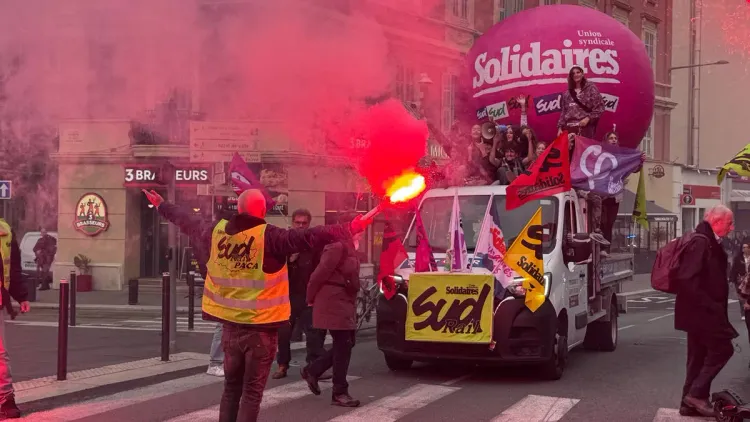
Police made a last-minute change to a trade union march, directing it away from the Bastille area to Porte d'Italie on Paris's southern outskirts. Union organizers reluctantly accepted the move, but the Yellow Vests movement said it would not follow the order. In Marseille, authorities exempted a union demonstration from an initial ban on all protests.
Amnesty International warned that restrictions on demonstrations threatened peaceful assembly rights. Eva Cosse of Human Rights Watch said police had a responsibility both to keep peaceful protests safe and to protect the public against violence.
Thousands oppose National Rally congress in Orléans
A National Rally congress in Orléans added to the tensions. The gathering of Marine Le Pen's far-right party was intended to launch her presidential campaign, with the election six months away. Thousands of opponents marched with anti-fascist slogans and also protested against Macron.
Around 50 political parties, unions and associations called the October 24 counter-protest, Euronews reported. The prefecture put attendance at 11,000 by noon, while nearly 3,000 police officers and gendarmes were deployed throughout Orléans.
The demonstration also followed an attack in Trappes, west of Paris, on Friday, October 23, that killed one person and injured five others. Euronews reported that authorities were investigating an alleged racist motivation for the attack.