French presidential hopeful Attal pitches social media blackout during riots
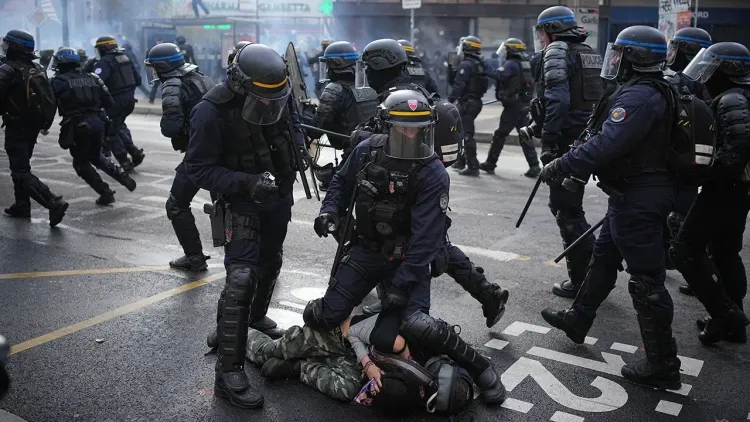
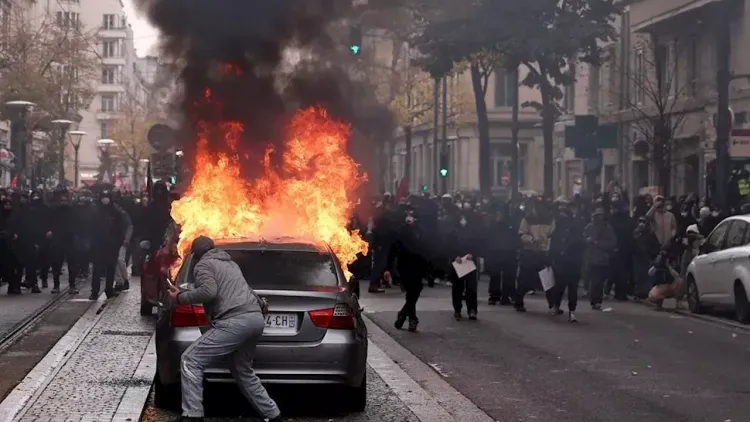
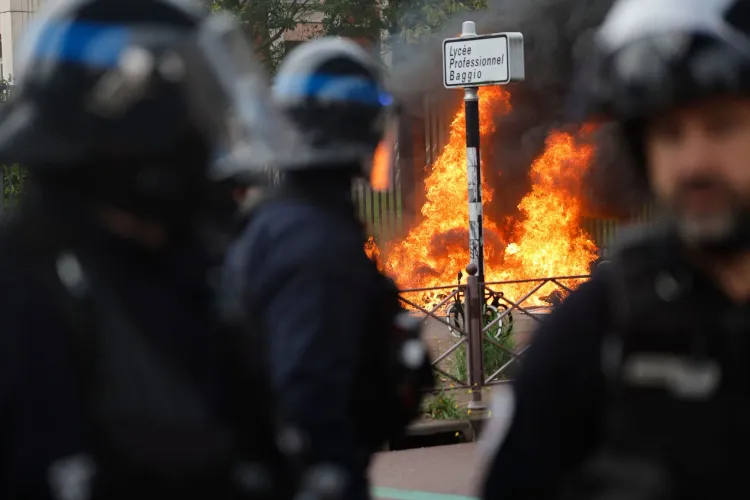
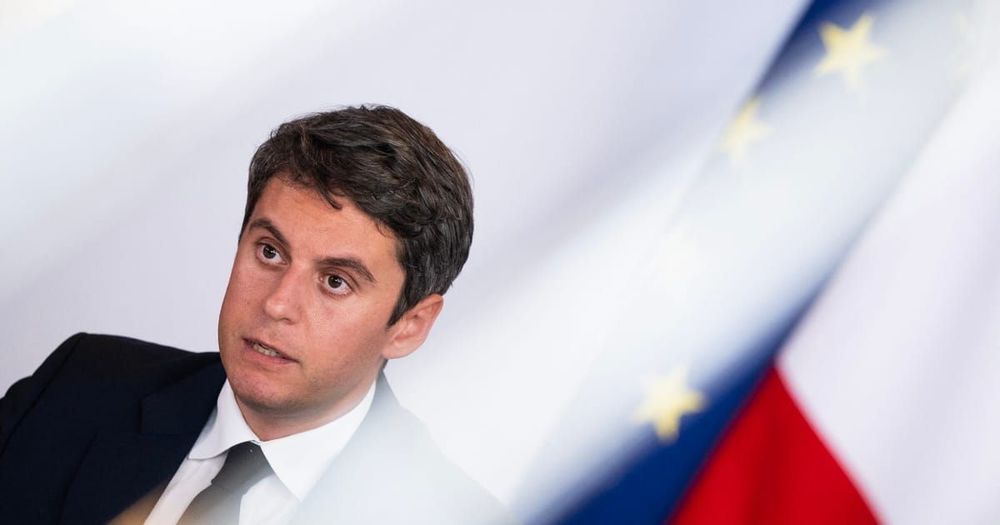
Gabriel Attal, a candidate in France's 2027 presidential election, has renewed his call for temporary government powers to selectively block social media platforms during civil unrest, following widespread violence across France over the weekend that resulted in approximately 2,000 arrests.
Speaking to French radio station RTL, Attal argued that social media amplifies rioting by creating a contagion effect among young people. "You have young people at home who see their friends going out to loot, which gives the impression that they're getting away with it; they see them on social media, and then they go out too," he said.
Attal, who served as France's youngest-ever prime minister from January to September 2024 at age 34, now leads President Emmanuel Macron's Renaissance party. He officially launched his presidential candidacy on May 22, 2026, with the election scheduled for April 18, 2027.
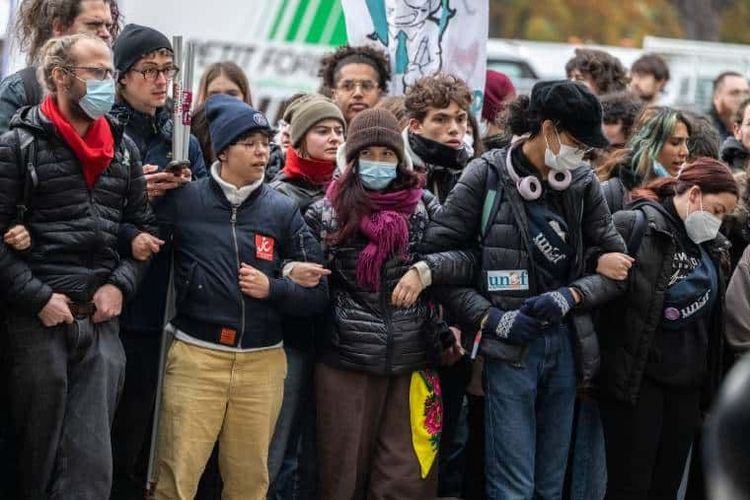
The former prime minister emphasized that any restrictions must be "temporary" and "limited to the area where the riots are taking place." His proposal comes amid ongoing turmoil that began in late September 2026, when students started blockading schools to demand better study conditions, additional teachers, and increased funding.
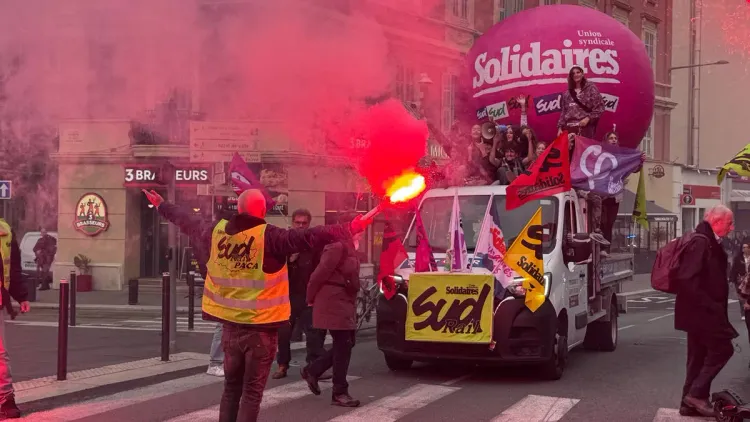
Saturday's protests drew hundreds of thousands of demonstrators nationwide, as students joined trade unions and members of the public in expressing anger over the cost of living. While many protested peacefully, extreme violence erupted across multiple locations. The protests, which have continued for weeks, have resulted in over 6,100 arrests since they began, with the majority of those detained being minors with no previous criminal record. Government officials report that 215 students and 85 school staff members have been injured during the demonstrations, alongside more than 600 police officers.
Legal precedents and constitutional challenges
Attal's proposal draws on his experience as prime minister, when France blocked TikTok access in New Caledonia on May 15, 2024, during violent unrest in the overseas territory. The ban was lifted on May 29, 2024, after a state of emergency ended. France's State Council, the highest administrative court, had initially allowed the restriction on the basis that it would be "limited and temporary," though several lawyers questioned the unprecedented legal basis for such action.
The court later ruled that the suspension constituted "a disproportionate infringement of rights and freedoms," raising questions about whether Attal's current proposal would survive judicial review.
France's Constitutional Council has already demonstrated skepticism toward broad social media restrictions. On August 14, 2026, the council struck down legislation that would have banned social media access for children under 15, finding it disproportionately infringed on freedom of expression and communication while raising privacy concerns about age verification. The bill had passed Parliament on July 21, 2026, with overwhelming support, including a Senate vote of 243-2 and a National Assembly vote of 279-81, before being overturned.
International context
Social media restrictions during protests remain more commonly associated with countries like China, Iran, Russia, and India. These nations either maintain permanent blocks on certain platforms or have implemented temporary restrictions during protest movements, with India and Iran at times blocking internet access entirely.
France has a long tradition of student protests, with major movements in 2006 over youth employment laws drawing more than a million participants, and recurring demonstrations in 2008 and 2016 over education reforms. The current wave of unrest continues this pattern of youth activism in French politics.
Klara Durand contributed to this report.