Louvre Blockade
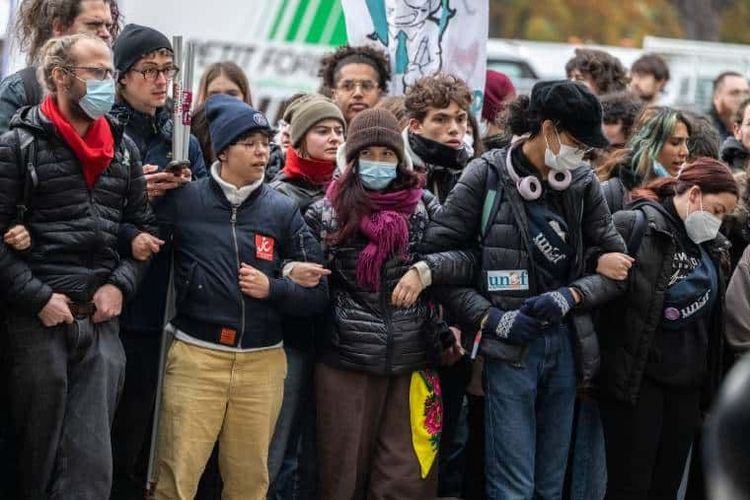
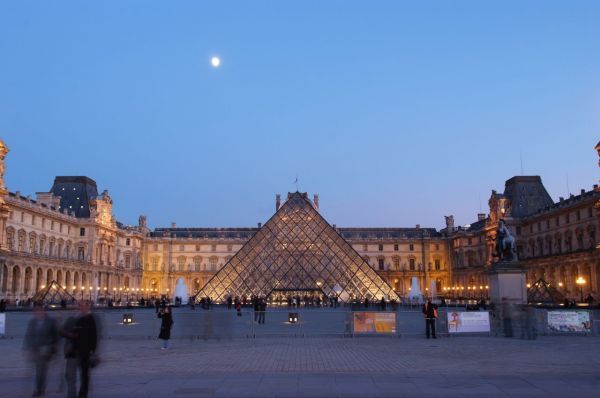
Protesters blockaded the entrances to the Louvre Museum in Paris on October 19, preventing the world's most-visited museum from opening to the public, according to Agence France-Presse.
Students from the École du Louvre, a prestigious public institution founded in 1882 that specializes in art history, archaeology, and museology, led the blockade. The approximately 1,900 students who attend the school, which is located within the Louvre Palace itself, used pickets and banners to seal off the museum's main entrance.
The protesters expressed solidarity with high school students whose demonstrations over deteriorating educational conditions have continued since September 18, when protests first erupted in working-class suburbs like Créteil and Saint-Denis. The movement has since spread to over 40 cities nationwide.
A leaflet posted outside the museum declared:
We are proud to announce that we are blockading the world's largest museum.
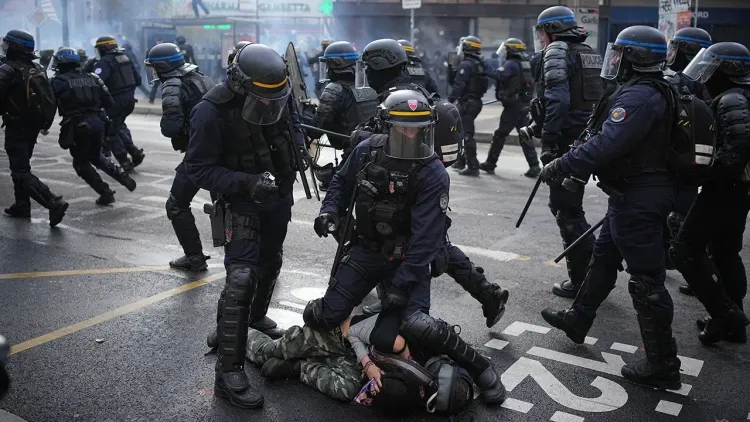
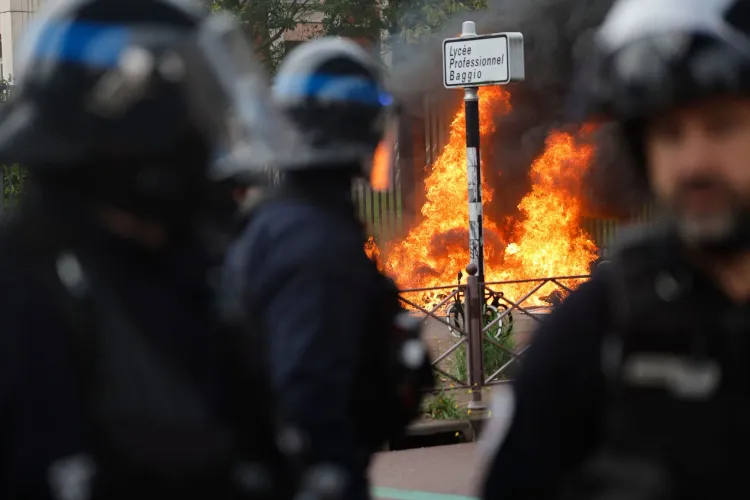
The protesters condemned both government austerity measures cutting the education budget and police crackdowns on student demonstrations.
Nationwide Education Crisis
The protests stem from France's proposed 2027 budget, which includes a below-inflation increase of just 1.7% for education spending, bringing the total to €65.53 billion excluding teacher pensions. This increase falls short of inflation, effectively representing a real-terms cut to education funding.
The budget constraints are part of the French government's proposed €54 billion in spending cuts and savings aimed at reducing the national deficit to around 5% of GDP. France's public debt is projected to reach approximately 119-122% of GDP in 2026-2027, with 10-year bond yields briefly exceeding 5% in October, the highest level since 2002.
The education cuts have already had tangible impacts. At the start of the 2026 school year, France eliminated 1,891 statutory teacher positions and more than 4,000 teaching positions in total, according to the SNUIPP teacher's union. Additionally, 20 million hours of instruction went undelivered over the past year.
Students cite concerns about overcrowded classrooms, teacher shortages, deteriorating facilities, and uncertain educational prospects. With youth unemployment standing at 20%, many view quality education as critical to their economic future.
Escalating Demonstrations
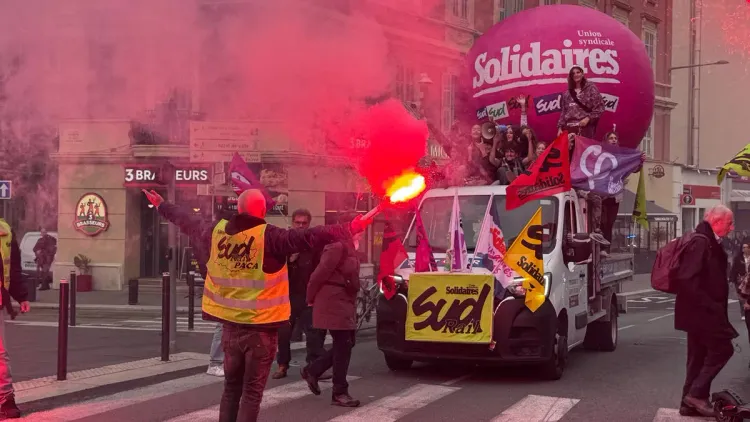
The scale of the protests has been significant. On October 6, union estimates put nationwide participation at approximately 450,000 people, though government figures cited 250,000. Roughly 1,800 high schools were forced to shut down or were blockaded that day, prompting Prime Minister Sébastien Lecornu to suspend high school classes across France for the remainder of the week.
The blockade of the Louvre carries particular symbolic weight. The museum received 9 million visitors in 2025, making it the world's most-visited museum, with international tourists accounting for 73% of visitors. The disruption affects both France's cultural prestige and its tourism economy.
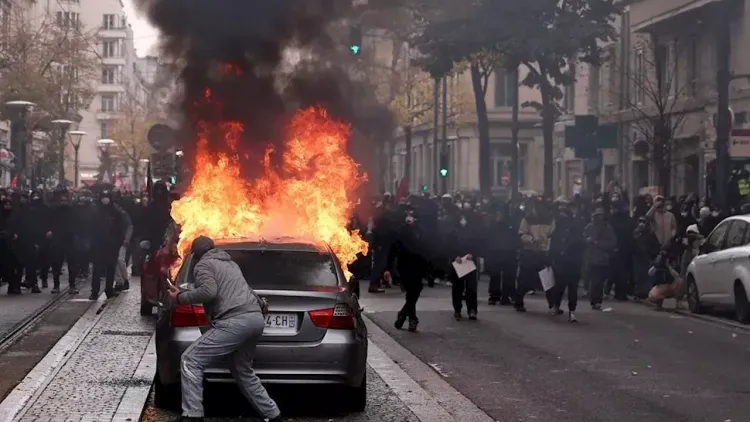
Meanwhile, violent protests swept across France on October 17, resulting in more than 2,300 detentions by police. More than 2,000 shops were damaged by looting and arson during the demonstrations, underscoring the intensity of public unrest over the government's austerity policies.