Protests in France: by midday, tension mounts at the first rallies - Le Temps
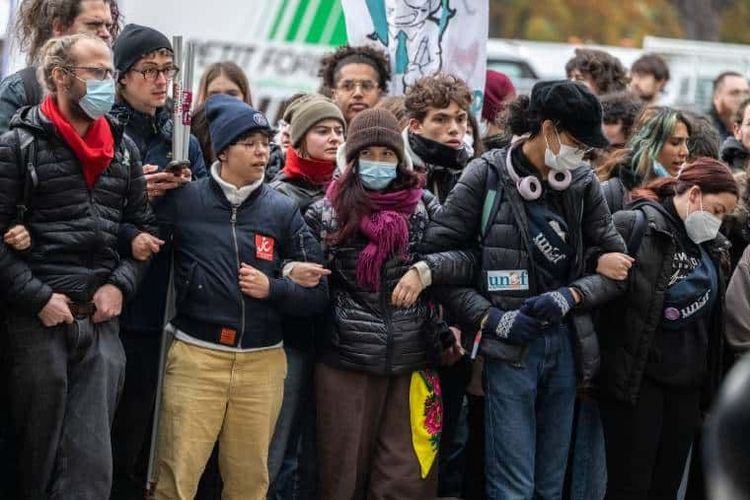
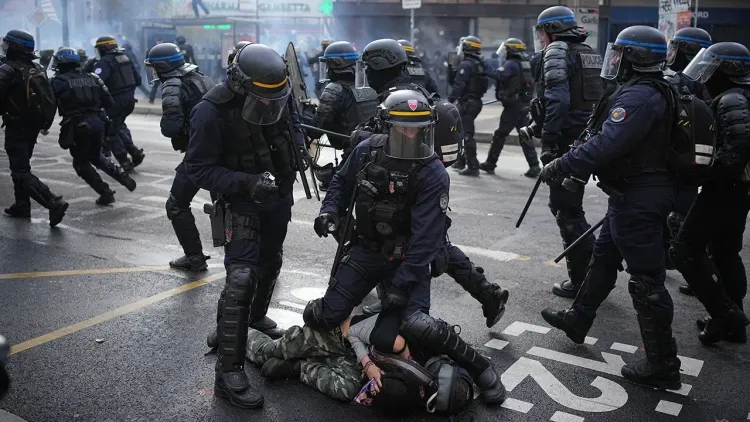
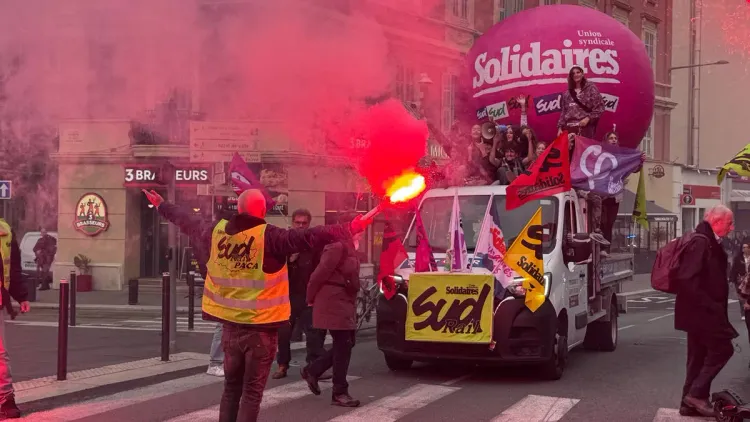
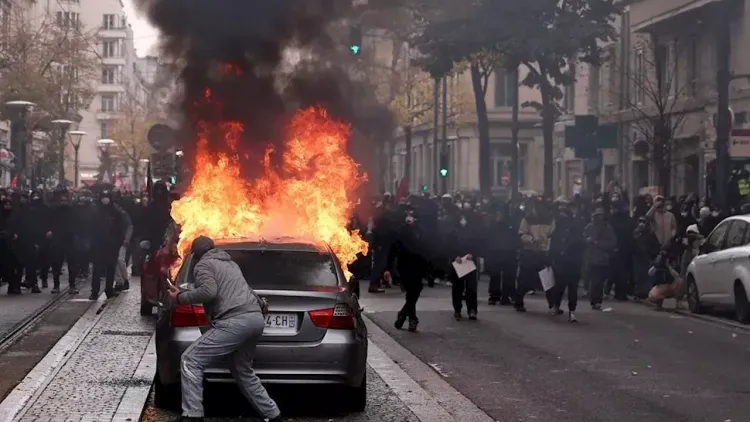
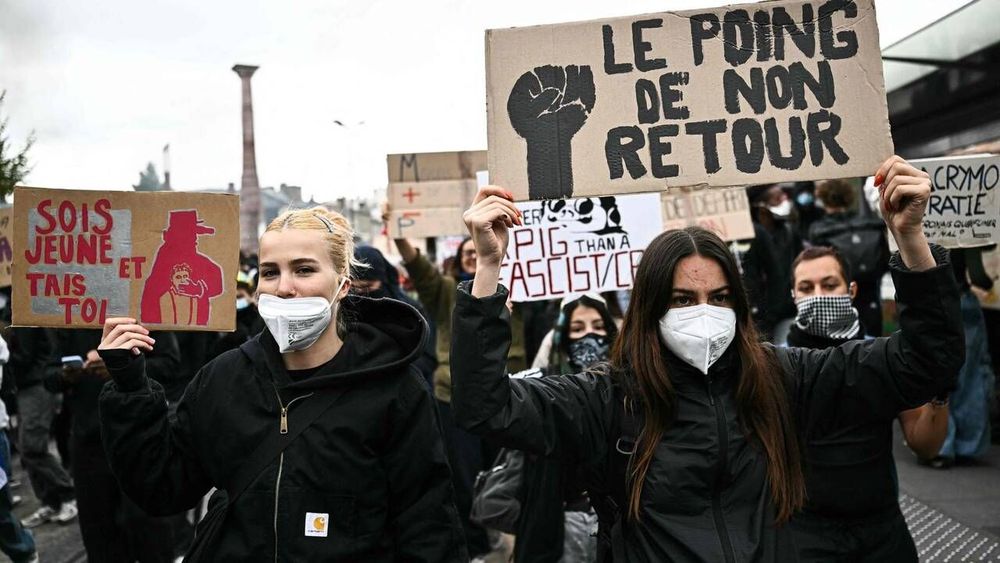
Dozens of arrests were made across France on Saturday morning as tensions escalated during the first wave of protests and demonstrations called by former yellow vests and young people, united in a broad-based movement fueled by shared economic grievances. The mobilization comes six months before the 2027 presidential election, scheduled for April 18 with a second round on May 2.
The parallels to the gilets jaunes social movement that shook France in 2018-2019 are unmistakable. That movement, which first erupted on November 17, 2018, saw approximately 300,000 participants blocking roads at 3,000 locations across the country to protest rising fuel taxes. The high-visibility yellow vests worn by protesters became an enduring symbol, chosen because French law requires all motorists to keep such vests in their vehicles for emergencies.
Images of violence along the Champs-Élysées and other Paris landmarks during those earlier demonstrations made international headlines. By mid-December 2018, President Emmanuel Macron withdrew the proposed fuel tax increase and announced a minimum wage hike in response to sustained pressure from the movement.
Now, with Macron constitutionally barred from seeking a third consecutive term in 2027, the call to revive street protests and block roundabouts and strategic sites has converged with demonstrations by secondary school and university students demanding better educational conditions. The protests occur against a backdrop of severe economic strain, with fuel and lubricant prices surging 29.3 percent in April 2026 compared to the previous year, among the highest increases in the European Union.
Economic Pressures Drive Mobilization
"By the end of the month, I have nothing left. Prices go up, but wages don't. We can't take it any more, we're suffocating," said Franck, a civil servant in his forties who demonstrated in Guéret, a small town in central France, alongside some 300 people, a quarter of them secondary school pupils.
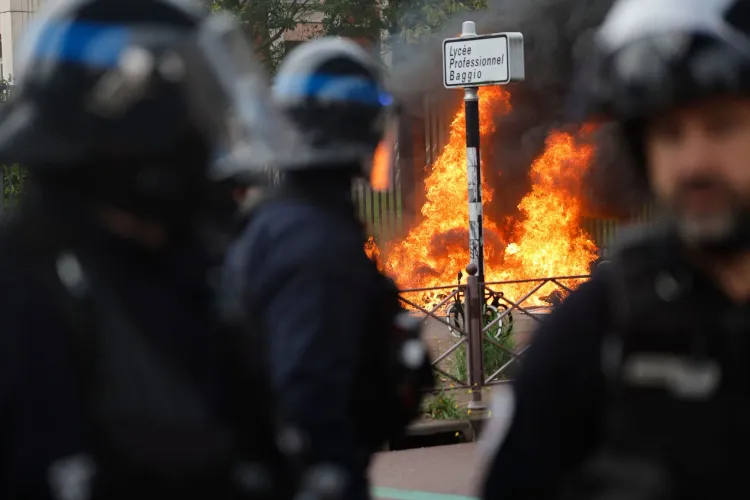
By midday, authorities had recorded 140 separate actions involving 32,800 people outside Paris and 166 arrests nationwide, according to aides to Interior Minister Laurent Nuñez, who warned that ultra-left elements might cause afternoon marches to turn violent. In Paris alone, some sixty arrests were made during the morning as security forces intervened around two unauthorized marches.
"Today, there is a point where lots of grievances converge, all of them legitimate and all more or less linked," said Florine Pigny, a 36-year-old tattoo artist participating in one of the Paris demonstrations. Describing herself as a mother worried about her daughter's future, she expressed anger that "for several decades, little by little, a bit here, a bit there, those who govern us have been eating away at our public services, while at the same time the ultra-rich keep getting richer."
Incidents Across Major Cities
Of the arrests in Paris, 21 followed an action outside the headquarters of CNews, the television channel owned by conservative billionaire Vincent Bolloré, which was pelted with projectiles by demonstrators.
Regional incidents were also reported. A building at the arts faculty in Rouen, Normandy, was struck early Saturday by what investigators believe was arson. In Marseille, protesters targeted a municipal police station, while several dozen demonstrators briefly entered the town hall lobby on the Old Port after breaking down the door and shouting "it's the Revolution, we're storming the Bastille." Security forces dispersed them and established positions to prevent further access.
In Lyon, police fired tear gas grenades to disperse nearly 300 people gathered outside a university. In Toulouse, authorities intervened to prevent blockades of trains and a roundabout. However, journalists from Agence France-Presse observed few actual roadblocks materializing.
The scale of mobilization remains difficult to predict, particularly as the protests coincide with the start of school holidays. Trade unions have separately called on public and private sector employees to demonstrate and strike on November 5 over wages and deteriorating public services.
Political and Economic Context
France's economic situation adds urgency to the protesters' demands. Public debt reached 119 percent of GDP in the second quarter of 2026, the highest level since 1946, with government projections showing debt climbing to 121.7 percent by 2027. This places the eurozone's second-largest economy under intense scrutiny from financial markets.
President Macron issued an appeal for calm from Brussels on Friday. Near the emblematic Place de la République in Paris, the starting point of one march, security forces repeatedly deployed tear gas against several hundred demonstrators, most masked and dressed in black, some firing fireworks from mortars.
Police sources estimated around 150,000 demonstrators were expected outside the Paris area and approximately 40,000 in the capital itself. Elya, a 17-year-old secondary school pupil with megaphone in hand, prepared to march with friends.
"Today is the big demonstration for everyone: farmers, the unemployed, employees, university students, school pupils and lots of others. We're here to make a demand, to show that we're angry and to make ourselves heard," she said.
The radical left party La France insoumise hopes to benefit from the large turnout expected. However, recent polls from October 2026 show far-right candidate Marine Le Pen commanding the presidential race with 35 to 38 percent support in first-round voting intentions, maintaining a lead of at least 10 to 15 percentage points over other candidates. Le Pen's current polling strength builds on her strongest performance to date in 2022, when she secured 41.45 percent of the vote in the second round against Macron's 58.55 percent.