Tariff relief and pipeline discussions
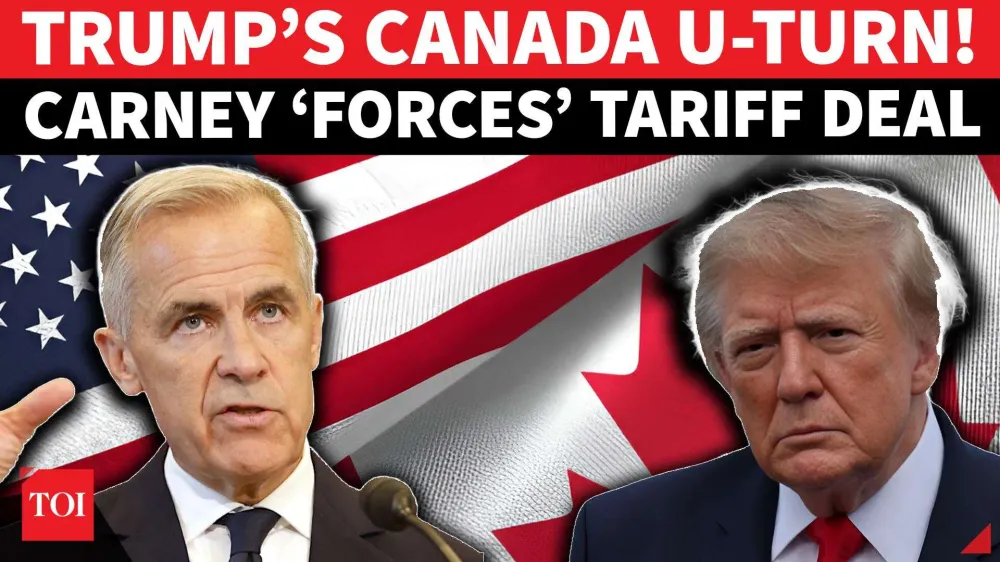
Trump said an agreement was getting closer and acknowledged the dispute's economic toll, saying the US is "losing too much," according to the Times of India. Carney outlined Canada's goals as more jobs, lower costs and protection of its economic interests.
No details of a potential deal have been announced. The Associated Press reported that discussions have included possible US tariff relief for Canadian steel and automobiles.
Trump also said the talks covered reviving Keystone XL, the proposed crude oil pipeline linking Alberta to a terminal in Steele City, Nebraska. He said Canada is "going to pay for it" and the US would "give them the route." He also raised the prospect of eliminating tariffs that US farmers pay for Canadian products, though his comments made clear that the final terms remained unsettled.
An announcement just before the midterms
Carney's November 1 announcement came two days before the November 3, 2026, US midterm elections, which will decide control of Congress. The tariff conflict has become a campaign issue, especially in Michigan and Maine, both sites of crucial Senate races. Michigan Republican Senate candidate Mike Rogers has urged an end to the tariff war, according to the Associated Press.
The announcement followed more guarded remarks from Carney. On Wednesday, October 28, he said the countries were not yet positioned to reach a deal before the elections, the Associated Press reported.
Two days before Sunday's announcement, Carney told POLITICO that he felt no urgency to agree to a trade truce. Rather than accept terms he considered bad for Canadians, he said he was willing, if necessary, to wait until a new American president takes office in 2029.
Contacts continued after formal talks collapsed
The dispute escalated after high-level negotiations collapsed in August 2026. According to Al Jazeera, Trump subsequently imposed a 50% tariff covering about $20 billion in Canadian goods, representing roughly 5.5% of Canada's exports. Canada's equivalent retaliatory tariffs targeted US steel, dairy, appliances, farm equipment, pulp and paper, and electronics.
Formal negotiations have not taken place since August, POLITICO reported, but officials maintained contact. US Trade Representative Jamieson Greer stayed in touch with Canadian counterparts, while Commerce Secretary Howard Lutnick has communicated regularly with Dominic LeBlanc, Canada's minister responsible for bilateral trade, since Trump and Carney's October 21 phone call.
Canada pursues closer European ties
Canada has also been pursuing trade relationships beyond the United States. On Friday, October 30, Canada and the European Union launched a new alliance, the Associated Press reported.
Carney wants Canada to become the EU's first "associate member." He is also seeking to double Canadian exports to destinations outside the United States over the next decade.