Arson investigation
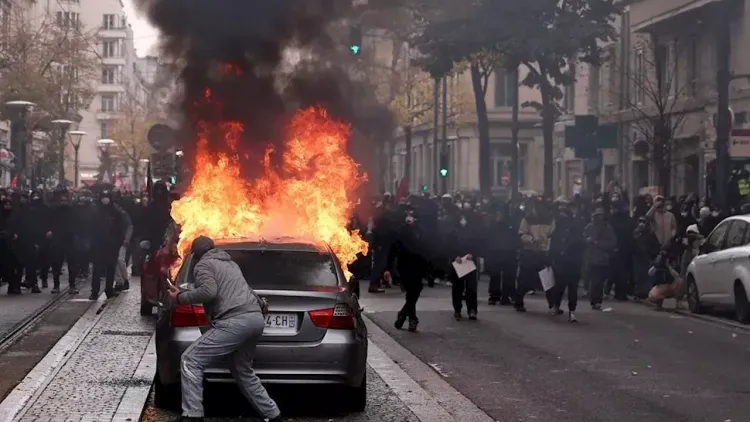
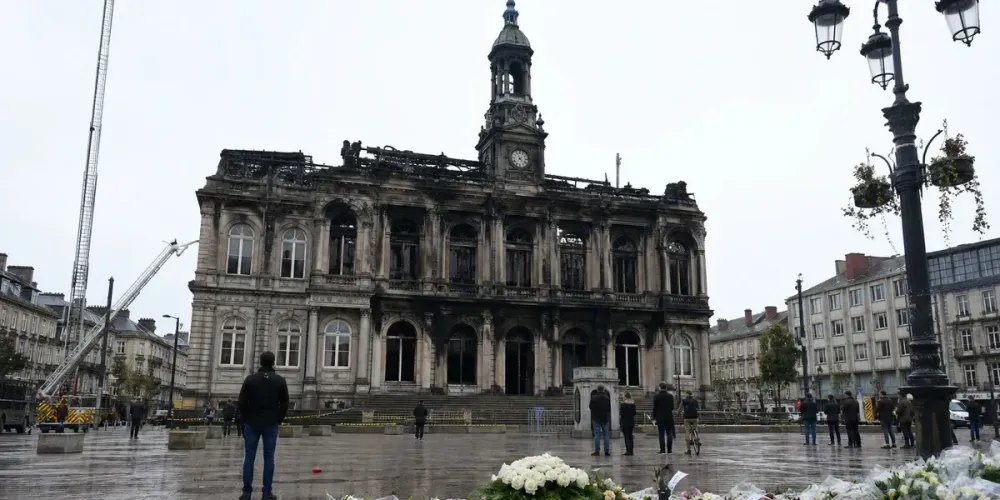
The city hall, built in 1883, caught fire on Saturday, October 17, according to Euronews. Its roof and belfry collapsed in the blaze. BBC News put the estimated damage from the unrest across Limoges at €500,000.
Prosecutors said the two detained men, ages 34 and 66, had ties to radical left-wing networks. According to BBC News, the 66-year-old was arrested on Thursday, October 22. His arrest followed the detention of a man in his 30s suspected of attempting to murder police officers who were inside city hall when the fire began.
France's Counter-Terrorism Sub-Directorate, known as SDAT, has joined the suspected arson investigation, Euronews reported. Justice Minister Gérald Darmanin said anti-terror prosecutors would decide whether the incident should be treated as a suspected terrorist attack.
Residents mourn the landmark and condemn violence
People have left flowers outside the damaged building in tribute to one of Limoges' best-known landmarks. Fish seller Jean Roger Faucher, who married there, told BBC News that protests were unacceptable when they put residents' lives at risk. Some young residents described the fire as sad but said poverty and the problems facing young people were more pressing concerns.
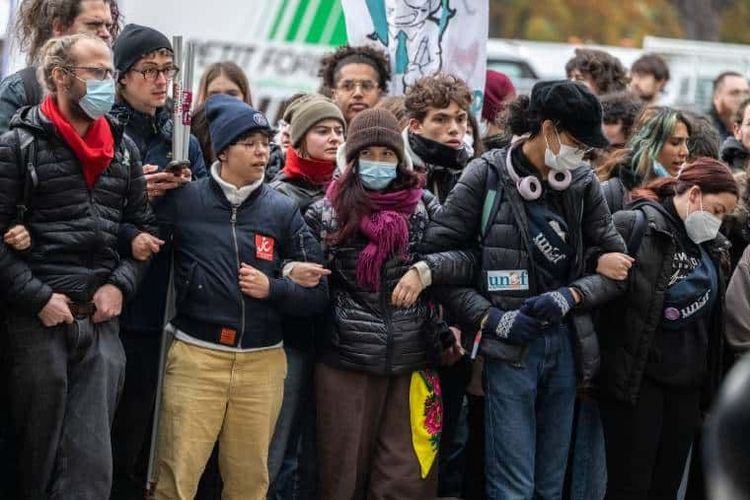
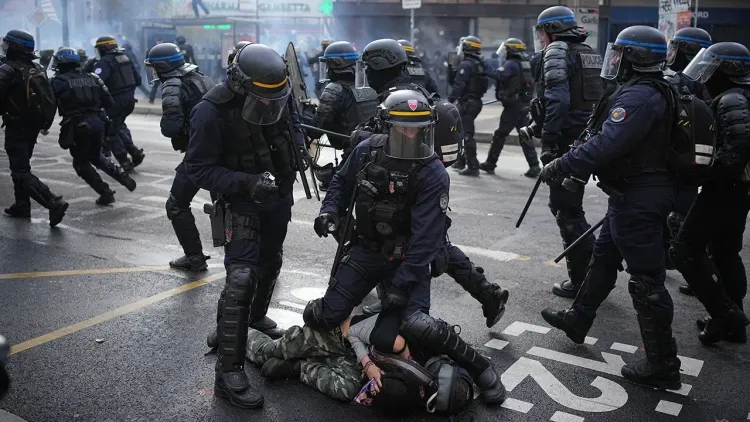
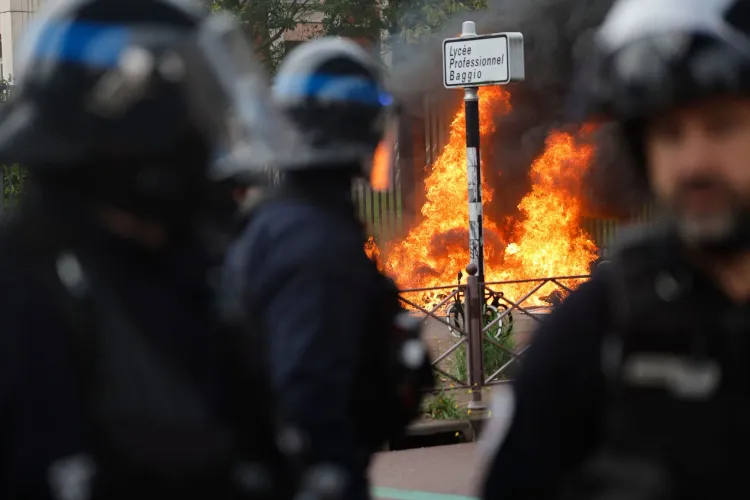
About 5,000 people attended the October 17 demonstration in Limoges, Euronews reported. Authorities described 700 of them as "radicalised and extremely violent". On Sunday evening, roughly 7,000 people gathered at a rally condemning the violence.
The city's conservative mayor, Guillaume Guérin, blamed the destruction on the French far left, which he said had the support of rioters. He urged the government to "inject millions" into rebuilding city hall. Prime Minister Sébastien Lecornu had been scheduled to visit Limoges on Friday.
Local authorities introduced a nighttime curfew and capped gatherings in the city center at 10 people.
From student protests to nationwide demonstrations
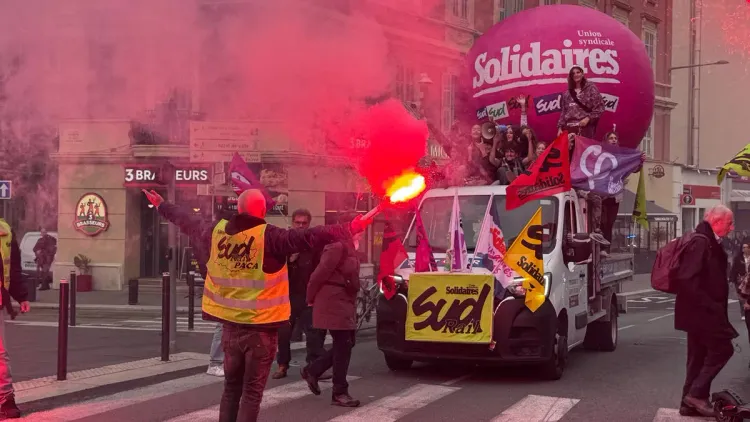
The demonstrations began several weeks ago over poor conditions in upper secondary schools. Predominantly involving young people, they broadened into protests against the high cost of living and difficult living conditions. BBC News reported that about 550,000 people demonstrated across France on October 17 against rising fuel prices and living costs, following weeks of student protests.
By October 22, French authorities reported 2,700 arrests nationwide in connection with the weekend disorder. More than 1,000 people had appeared before courts, and fast-track trials had resulted in 217 people being jailed. Darmanin said half of those detained had no previous criminal record.
Restrictions and further protests
For the weekend of October 24, Marseille and Lyon banned all protests, and authorities ordered the suspension of Marseille's public transportation on Saturday. Paris extended a partial curfew covering Place de la République and Les Halles until Monday. Nice, Toulon, Rouen and Grenoble also announced curfews.
Interior Ministry official Jean-Didier Berger said police deployments for the weekend would be 20% higher than the previous weekend, according to BBC News.
The unrest is unfolding in the final months of President Emmanuel Macron's presidency, with elections scheduled for April 18 and May 1, 2027. The "yellow vest" movement announced "Act II" protests for the weekend, while the CGT union called for a major day of strikes on November 5, 2026.