Clashes hit French cities over cost of living
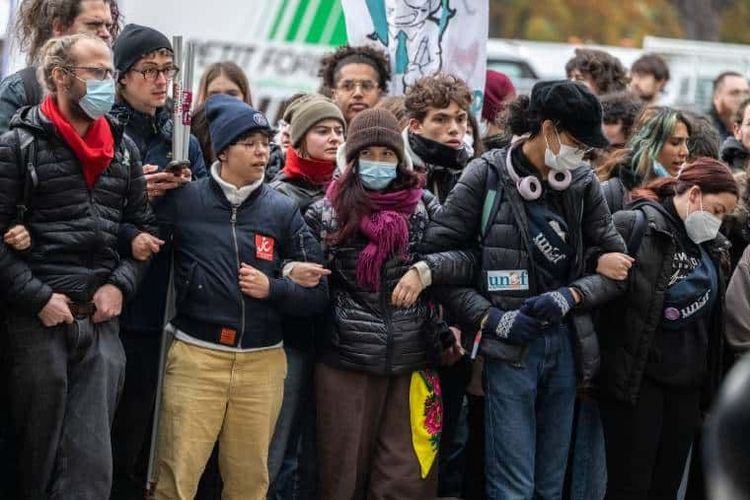
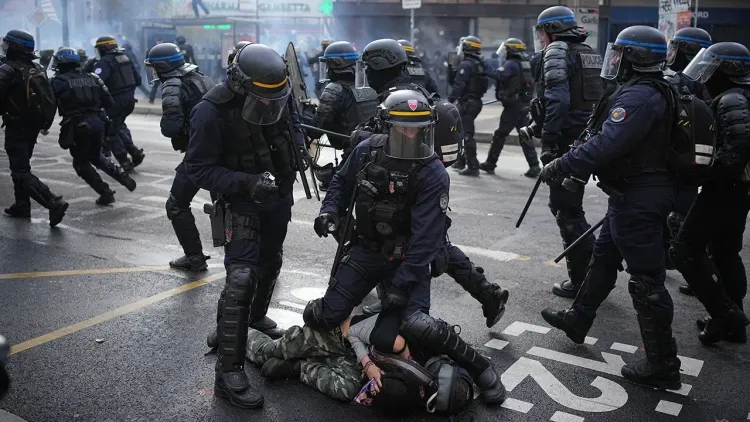
French police confronted protesters in Paris on Saturday as thousands of demonstrators rallied across the country against rising living costs and deteriorating public services, marking some of the most violent unrest seen in France in recent years.
The nationwide protests drew over 30,000 participants outside Paris alone, with authorities recording 140 separate demonstrations across the country by midday. The scale of the unrest prompted a strong police response, resulting in more than 160 arrests throughout France as clashes intensified.
Yellow Vest movement revived
The demonstrations revived the Yellow Vest movement, which first emerged in 2018 to protest social injustice and fuel tax increases. Protesters responded to social media calls for renewed action, this time focusing on broader economic grievances affecting households across the nation.
What began last month as protests by high school students in Paris's impoverished northern suburbs over teacher shortages and inadequate facilities has evolved into a wider movement addressing inequality, public spending, and living standards. The CGT, one of France's major labor unions, threw its support behind the demonstrations, demanding higher wages and pensions, lower prices, and protection of public services.
Economic pressures mount
The unrest comes as France faces mounting economic pressures. Inflation reached 3% in September 2026, the highest level since February 2024, driven primarily by surging energy costs. Meanwhile, unemployment climbed to 8.3% in the second quarter of 2026, the highest rate since the third quarter of 2020 during the COVID-19 pandemic. A recent survey found that approximately 45% of French citizens are worried about the cost of living and inflation.
President Emmanuel Macron, who urged calm on Friday, faces these protests as he enters the final months of his presidency. His term is scheduled to conclude in May 2027, and he is constitutionally prohibited from seeking a third consecutive term. The president confronts a fragmented political landscape and intensifying economic pressure as his time in office draws to a close.
Fiscal situation worsens
France's fiscal situation has become increasingly precarious. Public debt reached €3.6 trillion in the second quarter of 2026, representing 119% of GDP—the highest ratio since 1946. Government efforts to reduce this debt burden have failed to reassure financial markets, with France's 10-year government bond yields climbing to approximately 5% in October, the highest level since 2002.
The combination of rising borrowing costs, persistent inflation, increasing unemployment, and widespread public discontent over living standards presents a formidable challenge for French authorities as they attempt to navigate the country's economic and social crisis.